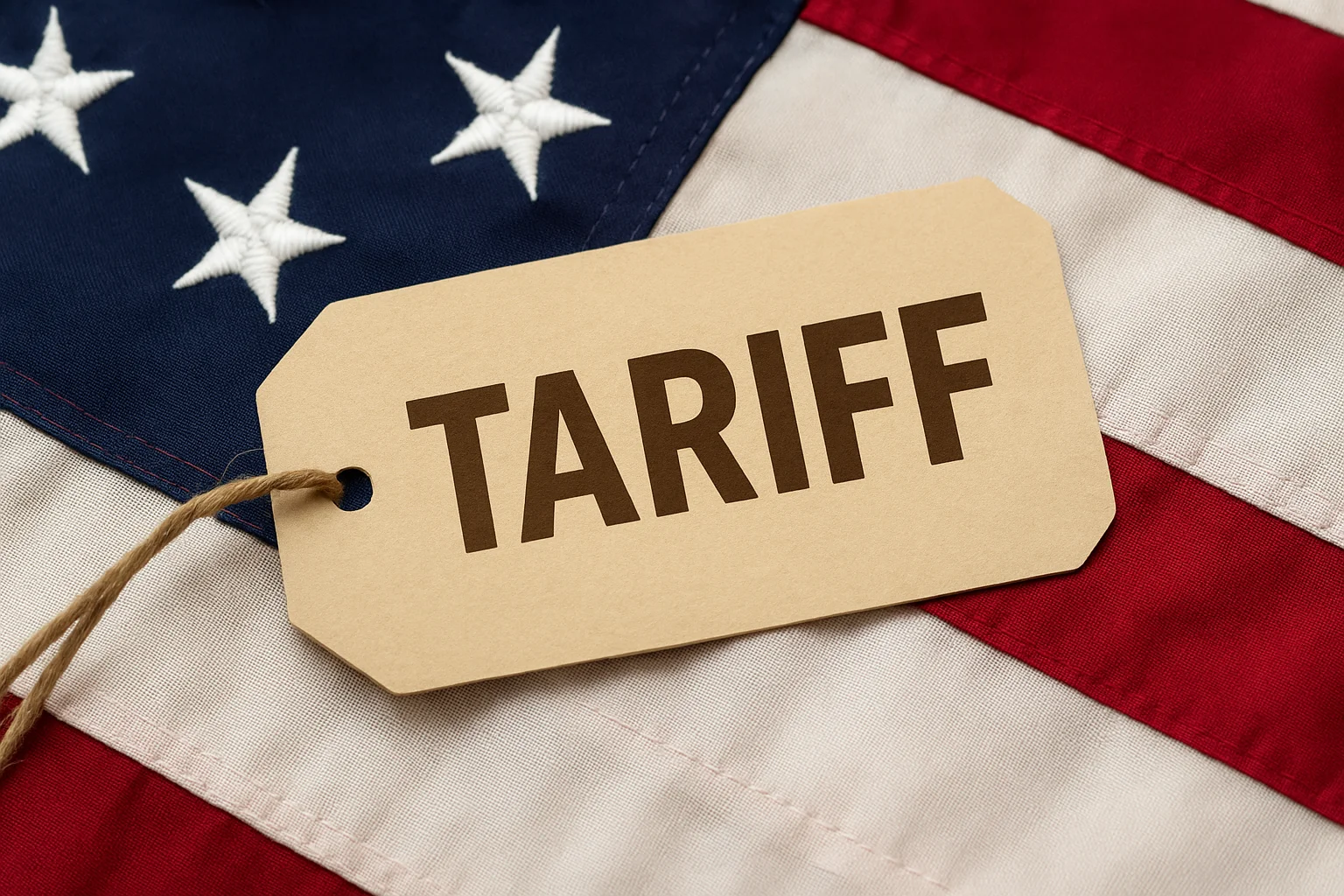
The Donald Trump administration is preparing another round of trade measures that could impose additional tariffs on imports from 16 economies, including India, China and the European Union. The proposed action follows a months-long investigation into industrial subsidies and excess manufacturing capacity, with the findings expected to be announced by US Trade Representative Jamieson Greer this week.
Although the investigation could pave the way for new import duties, the US administration has not officially announced the final tariff rates or the dates on which they could take effect.
Washington alleges that several economies are supporting domestic industries through government subsidies, low-cost financing and other policy incentives. According to the US, these measures have encouraged production beyond domestic demand, resulting in excess goods being sold in international markets at lower prices.
The administration argues that such practices create unfair competitive pressure on American manufacturers and weaken domestic industries. The proposed tariffs are being considered as a way to protect US businesses from what it describes as artificially cheaper imports.
16 Economies Included in the US Investigation
The investigation covers 16 economies: China, India, the European Union, Japan, South Korea, Vietnam, Taiwan, Thailand, Malaysia, Cambodia, Indonesia, Singapore, Switzerland, Norway, Bangladesh and Mexico.
Imports from all 27 European Union member states could also fall within the scope of the proposed measures.
US officials are examining whether industrial policies and government support in these economies have distorted global production levels and market prices. The investigation covers several major manufacturing sectors, including steel, aluminium, automobiles, batteries, chemicals, electronics, machinery, semiconductors, solar modules, ships and transportation equipment.
The findings could determine whether additional duties are imposed across different industries or whether specific countries face higher rates depending on the conclusions of the investigation.
India and Vietnam Could Face Higher Tariffs
Initial indications suggest that India and Vietnam could face relatively higher tariffs under the proposed framework. In contrast, the European Union, Japan and South Korea, which have previously reached trade agreements with the United States, could face duties of 15% or less.
China is also expected to face some of the toughest measures. However, these figures represent possible tariff levels rather than officially confirmed rates. The final decision will depend on the investigation’s findings and the Trump administration’s trade strategy.
For India, the potential move is significant because the United States is one of its major export destinations. Additional duties could make Indian products more expensive in the American market, affecting the competitiveness of domestic exporters.
Sectors such as textiles, engineering goods, electronics, chemicals and other manufactured products could face pressure if higher tariffs are introduced. Indian companies may have to reconsider pricing, supply chains and export strategies to retain their position in the US market.
FCRF Launches Certified Chief Risk Officer (CRO) Program for India’s Risk Leaders
Section 301 of Trade Act Forms Basis of Investigation
The investigation is being conducted under Section 301 of the Trade Act of 1974. The Office of the US Trade Representative initiated the probe on March 11, 2026, to examine industrial policies and excess manufacturing capacity across the economies concerned.
Under Section 301, the United States can investigate whether another country’s policies or practices are considered unreasonable, discriminatory or harmful to American commerce. If the findings are unfavourable, Washington can consider measures such as additional import duties, trade restrictions or other retaliatory action.
The probe covers industries ranging from steel, aluminium and automobiles to batteries, chemicals, electronics, machinery, semiconductors, solar modules, shipbuilding and transportation equipment.
The US administration maintains that government support and industrial policies in these sectors have contributed to production levels exceeding market demand. The investigation’s conclusions could therefore lead to different tariff rates for individual economies and industries.
Previous Reciprocal Tariff Figures Are Not New Proposed Rates
The latest tariff discussions have also revived attention around an earlier reciprocal tariff chart released by the Trump administration. However, those figures should not be confused with the new duties being considered under the current investigation.
The earlier chart listed the following US tariff figures:
| Economy | Earlier chart’s proposed US tariff |
|---|---|
| China | 34% |
| European Union | 20% |
| India | 26% |
| Vietnam | 46% |
| Japan | 24% |
| South Korea | 25% |
These are figures from the earlier reciprocal tariff framework and do not represent the new rates under the ongoing Section 301 investigation.
Market Uncertainty Grows Amid Fresh Trade Concerns
Reports of the proposed tariff measures have added to uncertainty in financial markets. US stock futures came under pressure amid concerns that additional duties could intensify global trade tensions, increase business costs and disrupt international supply chains.
S&P 500 futures reportedly declined by around 1.25%, as investors assessed the possible economic impact of another round of trade restrictions.
If the proposed measures move forward, they could affect trade relations between the United States and the targeted economies. For India, the immediate challenge will be to protect export competitiveness in the American market while using trade negotiations to limit the potential impact of additional duties.
Attention is now focused on the findings of the US Trade Representative’s investigation and the final decision of the Trump administration.