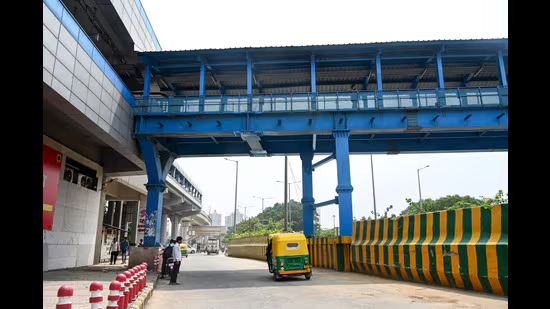
Daily metro commuters in Noida’s Sector 51–52 interchange station are raising alarm over safety hazards and congestion that turn what should be a routine transfer into a stressful and potentially dangerous experience. The interchange, designed for passengers switching between metro lines, is struggling to handle the heavy footfall, especially during peak hours.
Design Flaws Cause Chaos During Peak Travel Hours
Passengers told reporters that the interchange area, which connects two major metro corridors, becomes severely overcrowded, with long queues and limited movement space. Commuters have said the existing pedestrian passages and escalators are insufficient to manage the volume, forcing many to wait in congested sections that could impede emergency movement.
One commuter said that during rush hours, the crowd becomes so dense that walking comfortably is almost impossible — a situation that not only delays travel but also raises serious safety worries.
Commuters Plead for Better Crowd Management
Social media videos shared by daily riders show long lines, swarming passengers, and chaotic movement as people try to navigate through narrow stretches between platforms. Some commuters held that the lack of clear signage and inadequate staff deployment adds to the confusion, with many unsure where to go for the fastest or safest route between lines.
Women commuters and elderly passengers described the situation as particularly stressful, especially when balancing luggage or accompanying children.
Safety Experts Warn of Potential Risks
Urban transport analysts said the interchange was clearly not designed to handle such high commuter traffic, especially given the corridor’s strategic location linking multiple metro routes. They noted that narrow walkways and limited exits could complicate evacuations during emergencies.
Experts suggest that better crowd management strategies, including controlled entry points, more staff deployment, and real-time passenger communication, could help ease the situation until long-term infrastructure improvements are implemented.
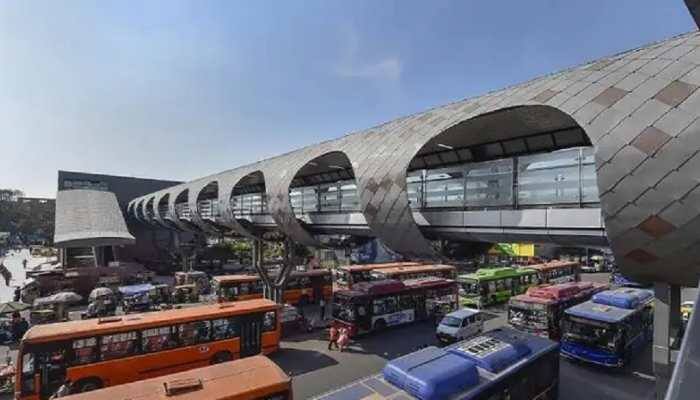
Metro Authorities Respond
Officials from the metro operator acknowledged the concerns and said that surveys and passenger feedback are being reviewed to identify bottlenecks. They added that short-term measures — such as repositioning signage, increasing staff presence during peak hours, and adjusting train schedules — are being considered to streamline commuter movement.
However, metro authorities have not yet released a definitive timeline for major structural enhancements at the interchange.
Commuters Call for Urgent Action Before an Accident Happens
Daily riders and civil society groups are urging authorities to prioritize safety upgrades before the footfall rises further. Residents argue that as metro routes expand and ridership increases steadily, urgent engineering fixes and better operational planning are essential to prevent accidents and ensure a comfortable travel experience.