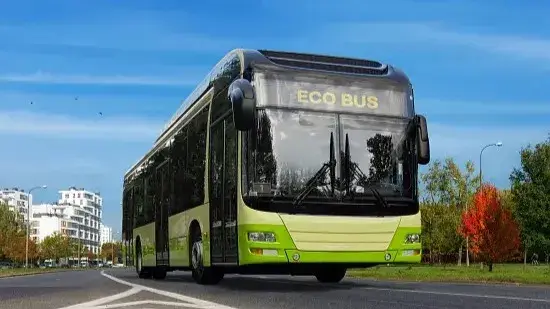
In a major step toward sustainable urban mobility, Noida is preparing to roll out 50 electric buses across five key routes, including direct connectivity to the upcoming Noida International Airport. The move is expected to significantly improve public transport while reducing pollution in one of NCR’s fastest-growing regions.
The plan was finalised in a joint meeting between the Noida Authority and Uttar Pradesh State Road Transport Corporation, marking a coordinated push to strengthen city bus services.
Electric Buses to Run on 5 High-Demand Routes
Under the proposal, 10 buses will operate on each of the five identified routes, ensuring balanced coverage across residential, commercial, and industrial zones.
The key routes include:
Sector-90 Depot → Botanical Garden → Jewar Airport
Botanical Garden → Pari Chowk (Greater Noida)
Sector-90 → Sector-71 → Greater Noida West
Sector-62 → Sector-98/96 via key corridors
Sector-15 → Surajpur via industrial belt
These routes have been selected based on commuter demand, airport connectivity needs, and traffic flow patterns.
Airport Connectivity Becomes a Priority
With the rapid development of the Jewar airport, authorities are focusing on building strong last-mile and inter-city connectivity. The introduction of electric buses directly linking Noida to the airport is expected to:
●Reduce dependence on private vehicles
●Offer affordable travel options
●Ease congestion on major roads
●Support eco-friendly transit goals
As flight operations begin, this network could become a backbone for daily commuters, airport staff, and travelers.
Viability Gap Funding Model to Support Operations
One of the key aspects of this project is its financial model. Since electric buses involve higher initial costs, the Noida Authority has agreed to provide Viability Gap Funding (VGF).
This means:
●If operational costs exceed ticket revenue, the authority will cover the gap
●UPSRTC will handle operations and maintenance
The model ensures service continuity without financial losses
This approach reflects a growing trend in Indian cities to support sustainable transport through public funding mechanisms.
Infrastructure Planning: Depot and Survey Underway
To support operations, a bus depot has been proposed in Sector-90, leveraging existing infrastructure of Noida Metro Rail Corporation.
A joint survey by officials is underway to finalise:
●Bus stops
●Charging infrastructure
●Route feasibility
●Passenger demand mapping
This groundwork is crucial to ensure smooth rollout and efficient service delivery.
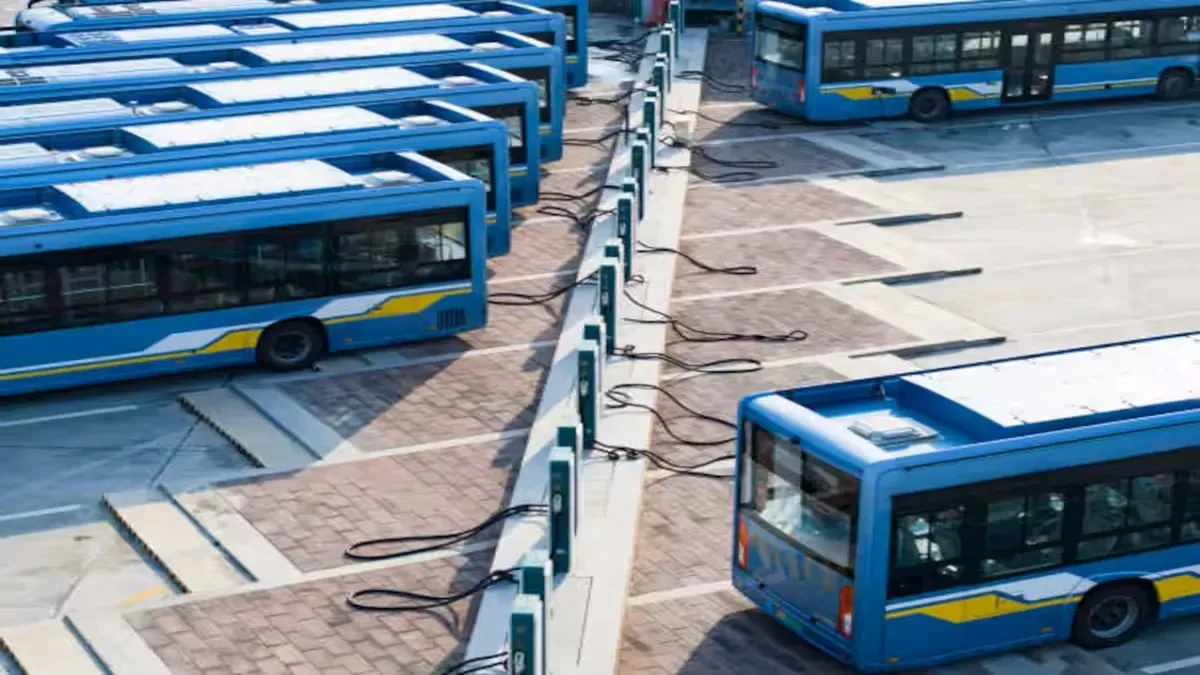
Future Expansion: 100 More Buses in Pipeline
The current plan is just the beginning. Authorities are already working on a larger vision that includes adding 100 more buses in the coming months.
A dedicated committee led by district officials and transport authorities will:
●Assess demand across sectors
●Expand routes based on usage
●Monitor performance of the initial 50 buses
If the pilot phase receives a strong response, the city could soon witness a full-scale electric public transport network.
A Shift Toward Sustainable Cities
Noida’s move aligns with India’s broader push toward clean energy and smart urban infrastructure. Electric buses not only reduce carbon emissions but also lower noise pollution and operational costs in the long run.
For residents, this means:
●Better connectivity
●Lower travel costs
●Reduced environmental impact
For the administration, it strengthens Noida’s position as a modern, future-ready city.