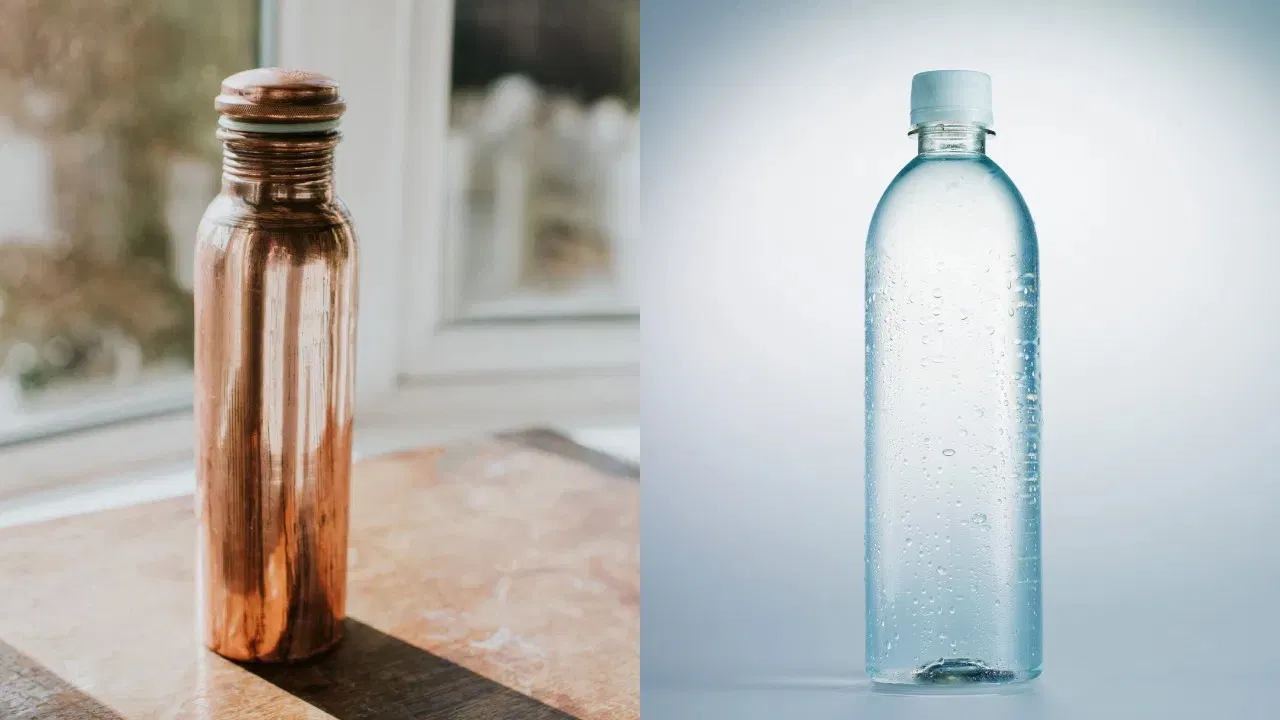
In an era of growing health awareness, the choice of water bottle has become more than a lifestyle decision. Copper and glass bottles are increasingly preferred alternatives to plastic, each offering unique advantages—but also raising important concerns.
Antimicrobial Power of Copper: Science Meets Tradition
Copper bottles are widely known for their antimicrobial properties. Scientific studies suggest that copper ions can destroy harmful bacteria and viruses, making water safer, especially in areas with questionable water quality. This aligns with traditional practices where copper-stored water is believed to support digestion, immunity, and overall wellness.
However, many of these health claims—such as weight loss or anti-aging benefits—lack strong clinical evidence. Experts caution that while copper plays a role in bodily functions, excessive reliance on copper-infused water for therapeutic outcomes may be misleading.
Health Risks: When Copper Turns Toxic
Despite its benefits, copper can become harmful if not used properly. Prolonged storage of water in copper vessels—especially beyond 8–12 hours—can lead to metal leaching. High copper intake may cause nausea, stomach cramps, and in severe cases, liver or kidney damage.
Vulnerable groups, including children, pregnant women, and individuals with liver disorders, face higher risks. Proper maintenance, limited storage duration, and moderate consumption are essential to avoid toxicity.
FutureCrime Summit 2026: Registrations to Open Soon for India’s Biggest Cybercrime Conference
Glass Bottles: Safe, Stable and Chemical-Free
Glass bottles are often considered the safest option for water storage. Unlike metals or plastics, glass is non-reactive and does not alter the taste or quality of water. It is free from harmful chemicals like BPA and phthalates, making it ideal for daily use.
Additionally, glass is environmentally friendly, reusable, and easy to sterilize. It performs well across temperature variations, making it suitable for both hot and cold beverages.
The Microplastics Concern and Practical Choice
Recent findings have raised concerns about microplastics even in glass bottles, often originating from caps or external contamination. While the levels are relatively low, they highlight the importance of using high-quality lids and proper handling.
In practical terms, copper bottles are useful for short-term antimicrobial benefits, especially in uncertain water conditions. Glass bottles, however, remain the better everyday choice due to their stability and safety profile.
Conclusion
Choosing between copper and glass bottles ultimately depends on usage and awareness. While copper offers traditional and antimicrobial benefits, it requires cautious handling. Glass, on the other hand, provides a safer and more reliable long-term solution for hydration without unintended health risks.