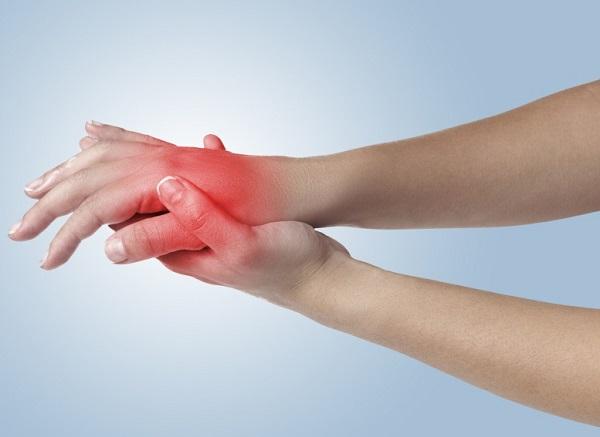
Arthritis remains one of the most common causes of chronic pain and mobility problems worldwide, but medical experts say women face a significantly greater risk of developing the condition than men. Specialists attribute this increased vulnerability to a combination of hormonal fluctuations, anatomical differences, genetics and autoimmune disorders.
Doctors explain that arthritis is not a single disease but a broad group of more than 100 joint-related conditions. The most common form, osteoarthritis, develops as protective cartilage gradually wears away, leading to pain, stiffness and reduced movement in affected joints.
Experts note that the risk rises sharply after menopause. Declining estrogen levels can accelerate cartilage breakdown, increase inflammation and reduce the body’s ability to maintain healthy joint tissues. As a result, many women begin experiencing knee pain, finger stiffness and hip discomfort during midlife.
Female Body Structure and Daily Physical Demands Increase Risk
Orthopedic specialists say women’s body structure can place different stresses on joints over time. Wider pelvises, differences in knee alignment and greater ligament flexibility may contribute to increased wear and tear in the knees, hips and lower back.
Beyond biological factors, doctors point to the physical demands many women face in daily life. Activities such as lifting children, household chores, prolonged standing and repetitive bending can place continuous strain on joints over several years.
Experts also note that lower participation in strength-training exercises may reduce muscle support around joints, increasing the likelihood of joint degeneration and injury.
FutureCrime Summit 2026: Registrations to Open Soon for India’s Biggest Cybercrime Conference
Autoimmune Conditions Affect Women More Frequently
Not all arthritis develops because of ageing. Rheumatoid arthritis and several other inflammatory joint diseases occur when the immune system mistakenly attacks healthy joint tissues.
Medical researchers have found that women are diagnosed with autoimmune-related arthritis significantly more often than men. While the exact reason remains under investigation, hormonal influences, immune system differences and genetic factors are believed to contribute.
These conditions can trigger persistent pain, swelling, fatigue and prolonged morning stiffness, often affecting quality of life if left untreated.
Early Symptoms Should Never Be Ignored
Doctors warn that arthritis often develops gradually, making early symptoms easy to overlook. Persistent morning stiffness, swelling in fingers, knee pain while climbing stairs, joint cracking sounds and reduced grip strength may all indicate the beginning of joint disease.
Health experts emphasize that early diagnosis can slow disease progression and improve long-term outcomes. Maintaining a healthy weight, exercising regularly, ensuring adequate calcium and vitamin D intake, and avoiding smoking can help protect joint health.
Specialists stress that chronic joint pain should not be dismissed as a normal part of ageing. Seeking medical advice at the first signs of persistent discomfort can make a significant difference in preserving mobility and quality of life.