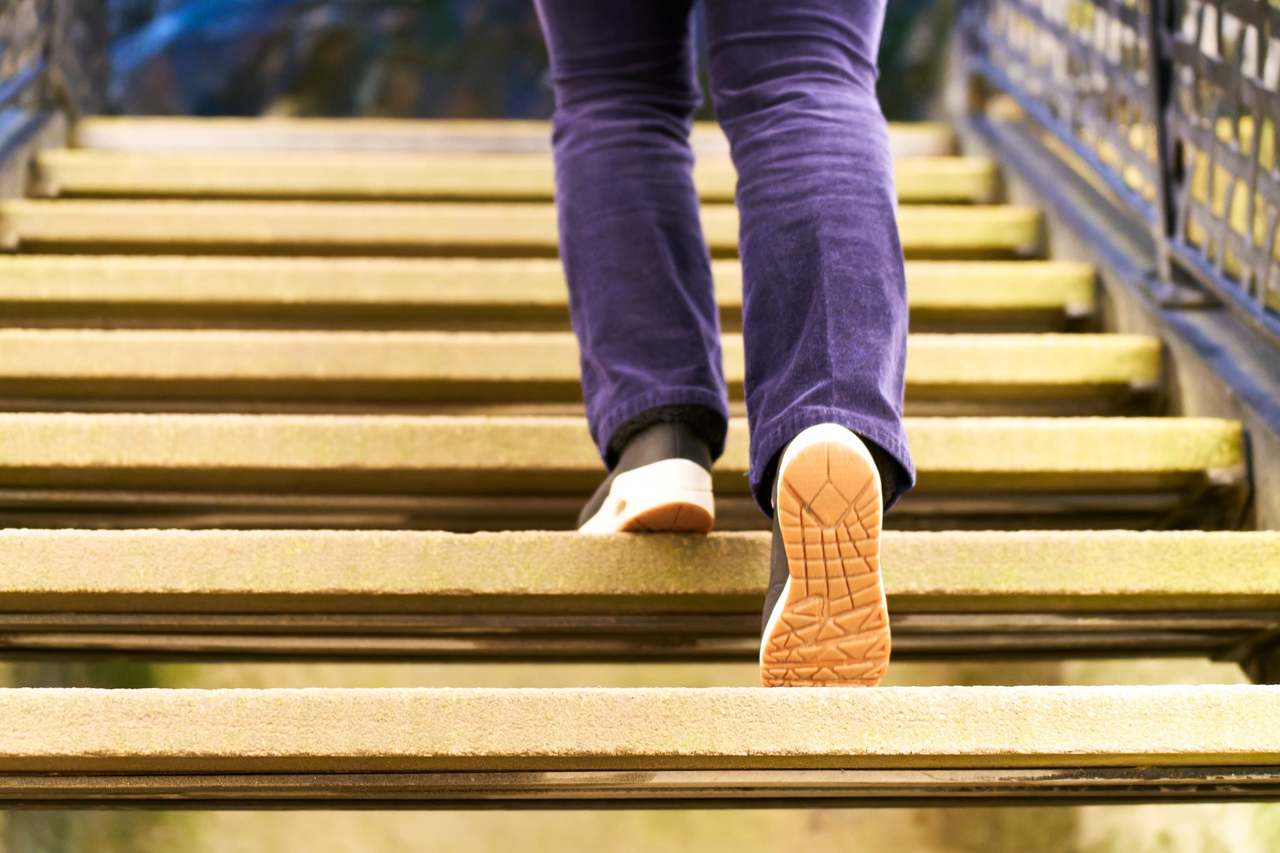
For people who spend long hours sitting and struggle to make time for exercise, taking the stairs may offer a simple but effective way to improve health. Research suggests that climbing at least five flights of stairs a day could help lower the risk of heart disease, stroke and several chronic health conditions.
Health experts say short bursts of physical activity can be especially useful for people with busy schedules. Dennis Kerrigan, a senior clinical exercise physiologist at Henry Ford Health, notes that exercise does not always require a gym, special equipment or a long workout session. Small periods of movement throughout the day can still improve cardiovascular fitness and overall well-being.
Why Stair Climbing Benefits the Heart
Walking upstairs requires the body to work harder than walking on a flat surface. The heart beats faster to deliver oxygen-rich blood to the muscles, while breathing becomes deeper and more rapid.
Over time, this type of activity can improve circulation and strengthen the cardiovascular system. Regular movement is also associated with a lower risk of high blood pressure, diabetes, high cholesterol, obesity and certain cancers.
Because stair climbing quickly raises the heart rate, even a brief session can contribute to a person’s daily physical activity.
Registration Begins for FutureCrime Summit 2026, India’s Largest Cybercrime Conference
Support for Brain, Muscle and Bone Health
The benefits of stair climbing extend beyond the heart. Regular physical activity may reduce the risk of cognitive decline, dementia and Alzheimer’s disease. It can also support mental health by helping manage stress and anxiety.
Climbing stairs is a weight-bearing exercise, which means it helps strengthen bones and muscles. This becomes increasingly important with age because muscle mass begins to decline from around the age of 30.
Improved strength and balance may also reduce the risk of falls and injuries, helping older adults remain active and independent for longer.
Short Workouts Can Still Make a Difference
Health authorities recommend around 150 minutes of moderate-intensity exercise each week. Taking the stairs at home, at work or in public places can help people move closer to that target.
Several short activity sessions can be just as valuable as one longer workout. For example, four 10-minute exercise sessions spread throughout the day may provide benefits similar to a continuous 40-minute session.
Beginners should start gradually. Taking the stairs once or twice daily, resting between flights and slowly increasing the pace can help the body adjust safely.
Stair Climbing Is Helpful, but Not Enough on Its Own
Although taking the stairs is a convenient form of cardiovascular activity, it should be combined with other forms of exercise. Strength training remains important for maintaining muscle mass, protecting bone density and supporting healthy blood pressure and blood sugar levels.
People should also avoid doing too much too quickly. Anyone experiencing unusual pain, dizziness, chest discomfort or severe shortness of breath during activity should seek medical advice.
For those with existing health conditions, a doctor can recommend suitable exercises based on individual fitness levels.
The larger message is that small choices can have a meaningful impact. Taking the stairs, walking briskly or adding short movement breaks during the day can collectively improve long-term health.