

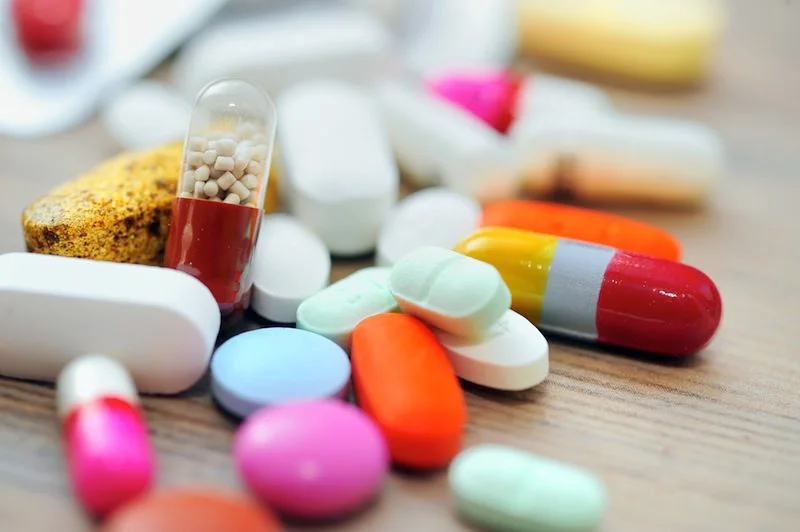
Antibiotics have transformed modern medicine by helping doctors treat bacterial infections that once posed serious threats to human life. From urinary tract infections to pneumonia, these medicines play an important role in controlling bacterial diseases. However, the growing misuse and overuse of antibiotics have created a major public health concern known as antibiotic resistance. It occurs when bacteria develop the ability to survive medicines that were previously effective against them, making infections harder to treat.
One of the biggest reasons behind this problem is the habit of taking antibiotics without proper medical advice. Many people purchase these medicines directly from pharmacies, reuse old prescriptions or stop treatment as soon as they begin feeling better. Such practices may seem convenient, but they can contribute to the spread of drug-resistant bacteria.
What Is Antibiotic Resistance?
Antibiotic resistance develops when bacteria change over time and become less responsive to medicines designed to kill them or stop their growth. It is important to understand that the human body does not become resistant to antibiotics; the bacteria causing infections do.
When antibiotics are used unnecessarily or incorrectly, susceptible bacteria may be eliminated while resistant bacteria survive and multiply. These resistant bacteria can spread between people, animals and the environment, making infections increasingly difficult to control.
As a result, medicines that once treated common infections effectively may no longer work as expected. Doctors may then need to prescribe alternative antibiotics, which can be more expensive, less accessible or associated with more side effects.
Why Taking Antibiotics Without Medical Advice Is Risky
Not every illness requires antibiotics. Common colds, seasonal flu and most viral infections do not respond to these medicines because antibiotics work against bacteria, not viruses. Taking them for viral illnesses provides no benefit and may contribute to unnecessary antibiotic exposure.
Self-medication can also lead to incorrect drug selection, inappropriate doses and avoidable side effects. Some people take antibiotics left over from an earlier illness or use medicines recommended by friends and relatives. However, the same symptoms can have different causes, and the medicine suitable for one person may not be appropriate for another.
Stopping or changing an antibiotic course without consulting a healthcare professional can also result in inadequate treatment. Patients should follow the prescribed duration and instructions, while contacting their doctor if they experience side effects or have concerns about continuing the medicine.
How Antibiotic Resistance Affects Public Health
Antibiotic resistance is not limited to individual patients. It can make infections more difficult to treat across communities and healthcare facilities. Patients with resistant infections may require longer hospital stays, more expensive medicines and additional medical care.
The problem also threatens routine medical procedures such as surgeries, cancer treatment and organ transplantation, where antibiotics are often needed to prevent or manage bacterial infections.
Children, older adults and people with weakened immune systems may face particular risks from infections that become difficult to treat. Resistant bacteria can also spread through healthcare settings, contaminated food, animals and the environment.
Simple Steps to Prevent Antibiotic Resistance
Preventing antibiotic resistance requires responsible action from individuals, healthcare professionals and communities. People should take antibiotics only when prescribed by a qualified medical professional and should never share their medicines with others.
Patients must follow the prescribed dosage and duration, avoid using leftover antibiotics and never demand these medicines for viral infections. Good hygiene, regular handwashing, safe food practices and appropriate vaccination can also help prevent infections and reduce the need for antibiotics.
Healthcare facilities should follow infection prevention measures, while doctors should prescribe antibiotics carefully. Governments and public health organisations also need to strengthen surveillance, awareness programmes and responsible medicine-use policies.
Responsible Use of Antibiotics Is Everyone’s Responsibility
Antibiotics remain essential for modern healthcare, but their effectiveness cannot be taken for granted. Misusing these medicines today can make bacterial infections harder to treat in the future. Antibiotic resistance is a growing challenge that requires awareness, medical guidance and responsible behaviour.
The simple rule is to avoid self-medication and use antibiotics only when medically necessary. Protecting the effectiveness of these medicines is a shared responsibility that can help safeguard public health for future generations.

