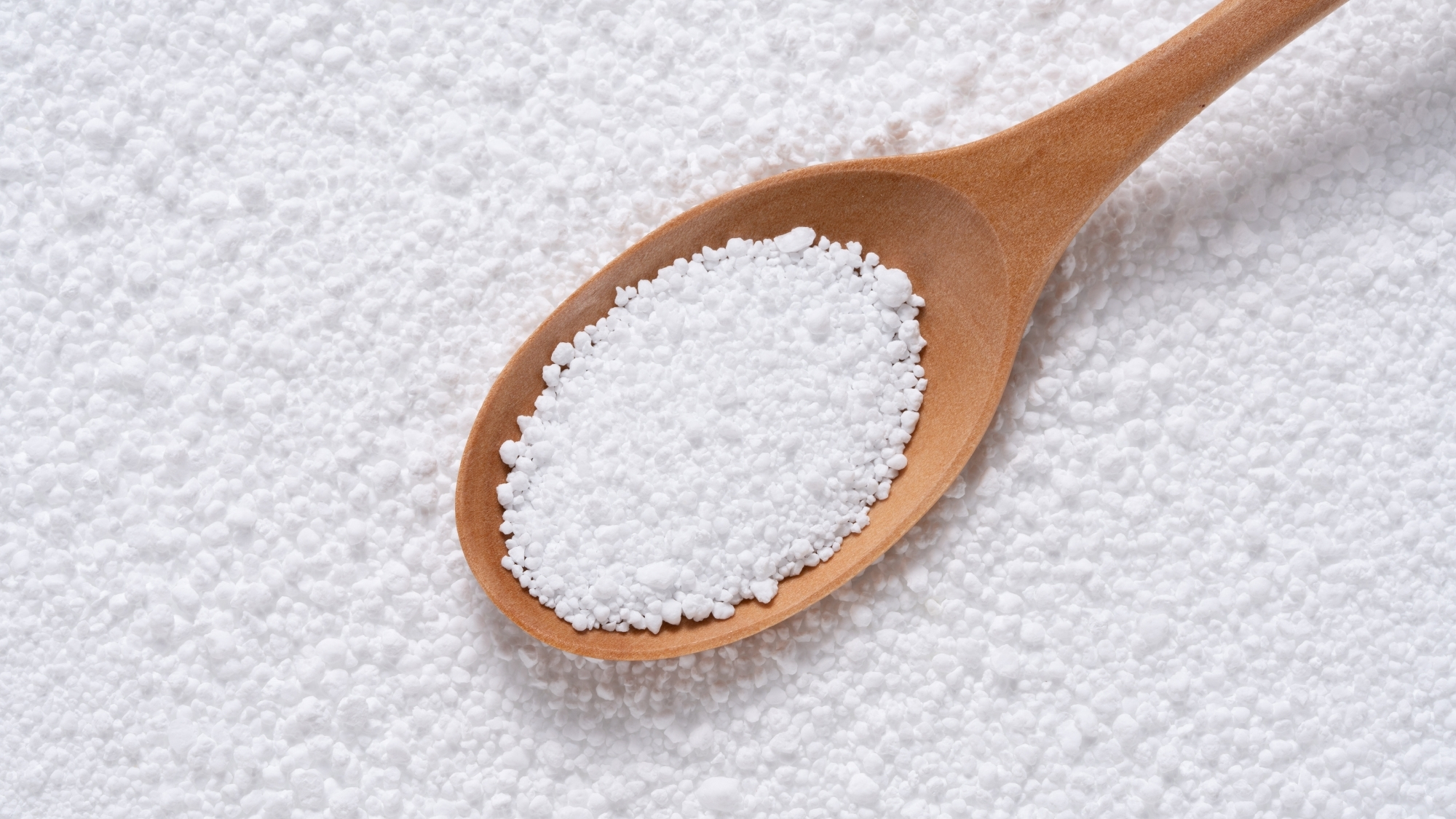
Artificial sweeteners, widely used as sugar substitutes, are increasingly being scrutinized for their potential health risks. While often marketed as a healthier alternative to sugar, experts warn that excessive consumption may lead to unintended health complications.
Not Always a Safe Substitute
Sugar substitutes are commonly used by individuals aiming to manage weight or control blood sugar levels. However, recent studies indicate that overconsumption of artificial sweeteners may not be as harmless as once believed.
Researchers suggest that these sweeteners can disrupt the body’s natural metabolic processes and may impact how the body regulates sugar and energy.
Possible Health Concerns
Health experts highlight several risks associated with high intake of artificial sweeteners:
- Alteration of gut microbiota
- Increased cravings for sweet foods
- Potential links to metabolic disorders
- Possible impact on insulin sensitivity
Some studies also suggest a connection between excessive sweetener use and increased risk of obesity and related conditions.
FutureCrime Summit 2026: Registrations to Open Soon for India’s Biggest Cybercrime Conference
Moderation Is Key
Experts emphasize that while artificial sweeteners can be useful in moderation, they should not completely replace natural dietary habits. Relying heavily on sugar substitutes without improving overall diet quality may not deliver the expected health benefits.
A balanced diet, combined with natural sources of sweetness like fruits, is considered a safer and more sustainable approach.
Need for Greater Awareness
With rising consumption of “sugar-free” and “diet” products, experts call for increased awareness about the potential risks of artificial sweeteners. Clear labeling, public education, and further research are essential to guide safe consumption practices.