

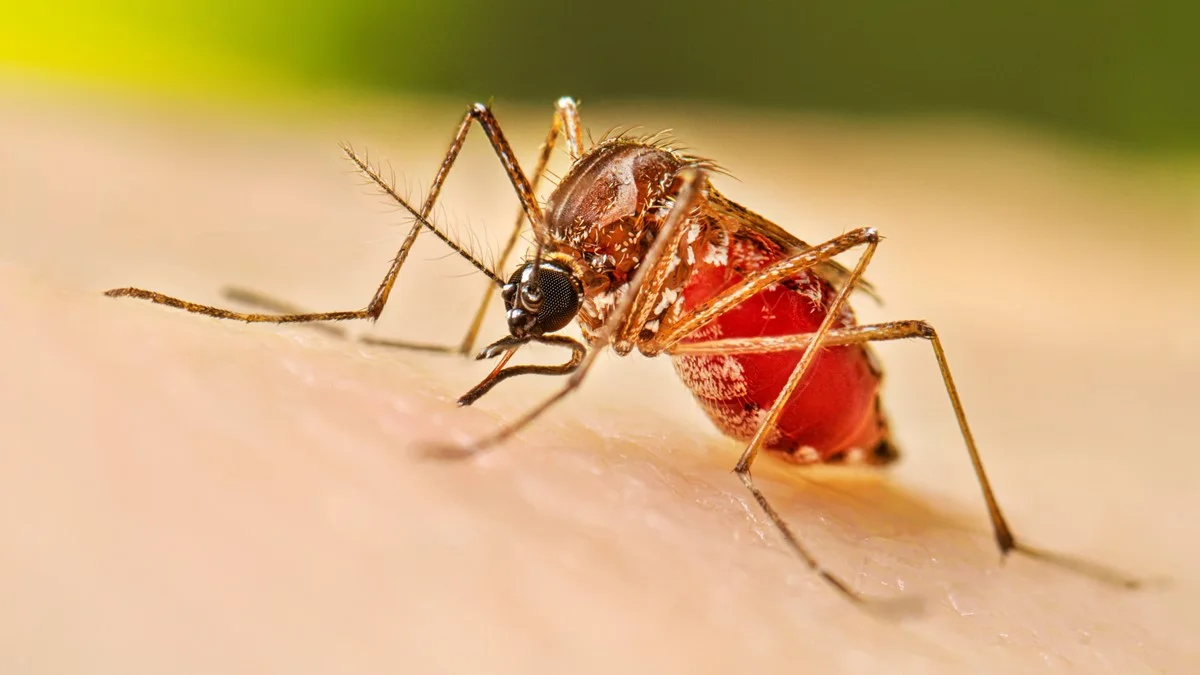
Dengue is a mosquito-borne viral infection that affects millions of people worldwide, particularly in tropical and subtropical regions. It is commonly reported during and after the rainy season, when stagnant water creates favourable conditions for mosquito breeding. Dengue spreads to humans through the bite of an infected Aedes mosquito, which is often active during the daytime. The disease can affect people of all age groups, and its severity may range from a mild illness to a life-threatening condition. Increasing awareness about dengue symptoms, prevention, and timely medical care is essential to protect individuals and communities. By maintaining cleanliness, preventing mosquito breeding, and following medical advice, people can reduce the risk of infection and its complications.
Common Symptoms of Dengue
Dengue symptoms generally begin four to ten days after an infected mosquito bite. Common signs include sudden high fever, severe headache, pain behind the eyes, muscle and joint pain, nausea, vomiting, and skin rashes. Some individuals may experience mild symptoms, while others may require medical attention. In certain cases, severe dengue can develop, causing serious complications. Warning signs include intense abdominal pain, persistent vomiting, bleeding from the nose or gums, blood in vomit or stool, rapid breathing, unusual tiredness, and cold or pale skin. These symptoms require immediate medical attention. It is particularly important to remain cautious when the fever begins to subside, as severe dengue warning signs may appear during this period. Early diagnosis and appropriate monitoring can help prevent complications and improve recovery.
Diagnosis and Treatment of Dengue
Dengue is diagnosed by a healthcare professional through an assessment of symptoms, medical history, and appropriate blood tests. Treatment mainly involves managing symptoms and preventing complications because there is no specific antiviral medicine routinely used to cure dengue. Adequate rest, sufficient fluid intake, and medical monitoring are important during recovery. Paracetamol may be used for fever and pain when advised by a healthcare professional. Aspirin and medicines such as ibuprofen should generally be avoided when dengue is suspected because they may increase the risk of bleeding. Self-medication should be avoided, and patients should follow medical advice carefully. Anyone experiencing warning signs should seek emergency medical care without delay.
Effective Ways to Prevent Dengue
Preventing mosquito bites and eliminating breeding sites are the most effective ways to reduce dengue transmission. Mosquitoes can breed in stagnant water collected in flowerpots, discarded containers, old tyres, buckets, coolers, and uncovered water tanks. These places should be inspected and cleaned regularly. Water-storage containers must remain tightly covered, and waste should be disposed of properly. People can also use mosquito repellents according to product instructions, wear long-sleeved clothing, and install screens on windows and doors. Mosquito nets may provide additional protection, particularly for people sleeping during the daytime. Community participation is equally important because eliminating breeding sites across neighbourhoods helps control mosquito populations.
Importance of Public Awareness
Public awareness plays a vital role in preventing dengue outbreaks. Schools, workplaces, and local communities should encourage cleanliness drives and educate people about mosquito control. Residents should regularly inspect their surroundings and report persistent stagnant water to the appropriate authorities. Anyone developing a sudden fever in an area where dengue is circulating should consult a healthcare professional. Recognising warning signs and avoiding unverified home remedies can help prevent dangerous delays in treatment.
Conclusion
Dengue is a serious but preventable mosquito-borne disease that requires awareness, personal protection, community participation, and timely medical care. Recognising symptoms, eliminating stagnant water, preventing mosquito bites, and following medical advice can reduce the risk of severe illness.
Prevention begins with small daily actions, and timely medical attention can save lives.

