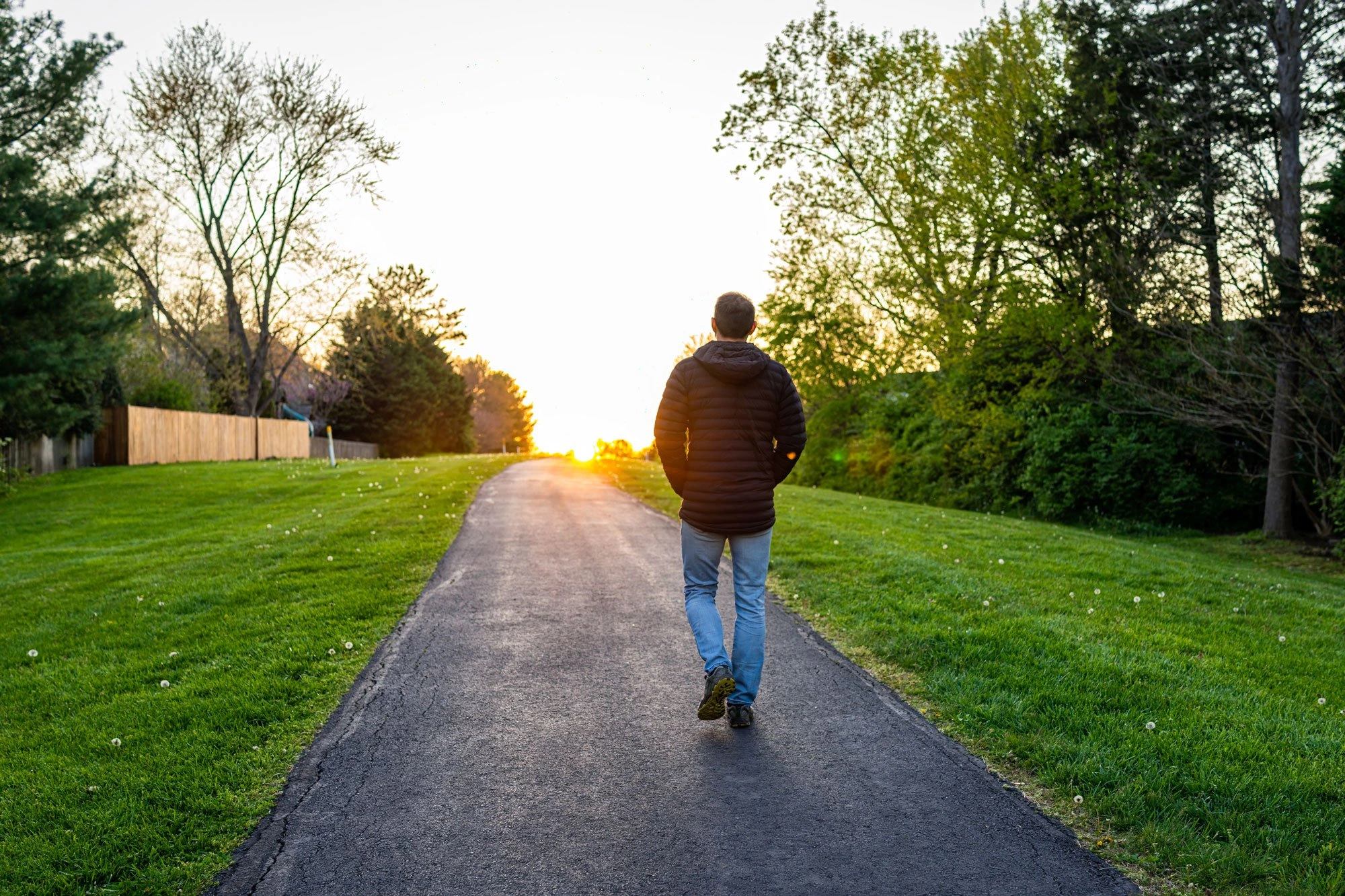
In an era dominated by digital screens and indoor work environments, health experts are raising concerns over a silent but growing crisis—people are spending far too little time outdoors. From office desks to living room couches, modern lifestyles are increasingly disconnected from nature, and the consequences are becoming more evident.
Psychologists and medical researchers warn that prolonged indoor living is not just a lifestyle choice—it is a health risk. Studies have linked excessive time indoors with a higher likelihood of developing depression, obesity, diabetes, and weakened immunity. As artificial lighting replaces sunlight and screen time replaces outdoor activity, the human body is struggling to adapt.
Mental and Physical Health Impact of Indoor Living
Health professionals emphasize that limited exposure to natural environments disrupts the body’s internal systems. Staying indoors for extended periods interferes with circadian rhythms, leading to poor sleep quality, irregular appetite, and hormonal imbalances.
Moreover, lack of movement and sunlight weakens bones and muscles over time. Mental health is equally affected, with increased reports of stress, anxiety, and fatigue among individuals who spend most of their day indoors.
Experts highlight that even small lifestyle adjustments—like stepping outside—can significantly reverse these effects.
Natural Energy Booster: More Powerful Than Coffee
One of the most immediate benefits of spending time outdoors is a noticeable boost in energy levels. Exposure to natural light through the eyes helps regulate stress hormones, reducing mental fatigue.
Research suggests that just 20 minutes outside can increase energy levels by up to 40%, an effect comparable to consuming a cup of coffee—without the side effects. Combined with fresh air and a change of environment, outdoor exposure helps improve focus, clarity, and overall mood.
Strengthening Immunity and Improving Vision
Time spent in nature also strengthens the immune system. Plants release natural airborne compounds that stimulate the production of white blood cells, enhancing the body’s ability to fight infections.
Additionally, studies show that individuals—especially children—who spend more time outdoors are less likely to develop nearsightedness. Natural light plays a crucial role in proper eye development, although experts advise using UV protection such as sunglasses and hats when outdoors.
FutureCrime Summit 2026: Registrations to Open Soon for India’s Biggest Cybercrime Conference
Vitamin D: The Sunshine Nutrient
Another critical advantage of outdoor exposure is the natural production of Vitamin D. Unlike dietary sources, sunlight enables the body to generate sufficient levels of this essential nutrient.
Vitamin D supports calcium absorption, strengthens bones, reduces inflammation, and boosts immunity. With increasing cases of Vitamin D deficiency worldwide, stepping outside remains the simplest and most effective solution.
Urban Spaces Can Offer the Same Benefits
Contrary to popular belief, one does not need access to forests or remote natural landscapes to reap these health benefits. Experts note that urban green spaces—such as parks and gardens—can provide similar advantages.
Whether it’s a short walk in a neighborhood park or sitting under a tree, these small interactions with nature can significantly improve overall well-being.
A Simple Habit with Powerful Results
As modern life becomes increasingly fast-paced and technology-driven, health professionals are urging individuals to consciously reconnect with the outdoors. The solution, they say, is both simple and accessible—step outside.
Incorporating even brief periods of outdoor activity into daily routines can lead to long-term improvements in physical health, mental clarity, and overall quality of life.