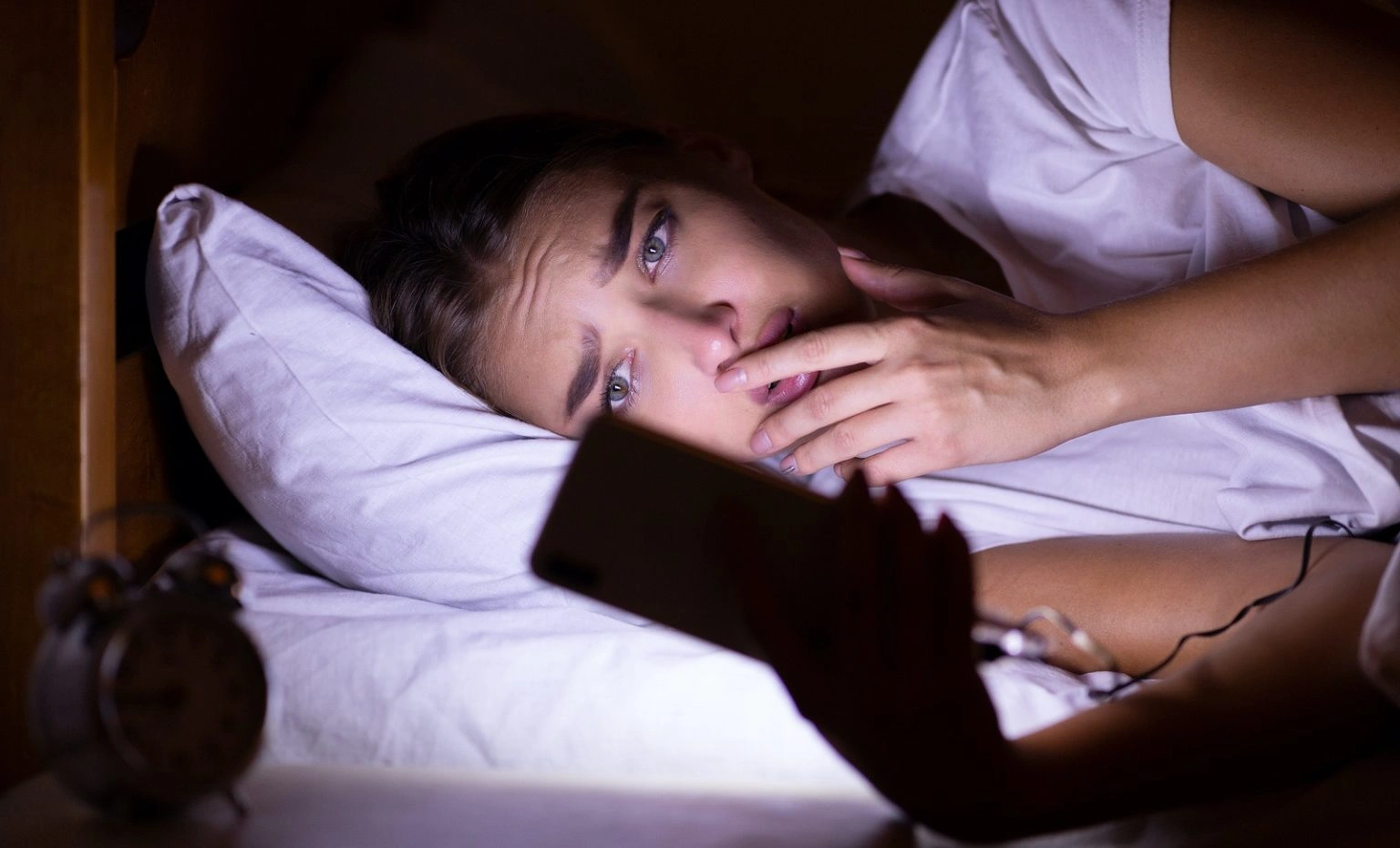
A growing body of research is raising concerns about a common bedtime habit—doomscrolling—that may be silently damaging sleep quality and mental health. While many people turn to their phones at night to relax, sleep experts warn that this behavior may be doing more harm than good.
Doomscrolling, a term popularized during the pandemic, refers to the habit of endlessly scrolling through negative news or social media content. Though it may seem like a way to unwind, experts say it often leads to increased stress and difficulty falling asleep.
Rising Trend, Especially Among Young Adults
Recent survey findings reveal that a significant portion of the population is affected. According to sleep researchers, nearly four out of ten adults report that doomscrolling negatively impacts their sleep. The issue is even more pronounced among young adults, where almost half admit that late-night scrolling disrupts their ability to rest.
Researchers note that constant exposure to distressing information heightens feelings of anxiety, fear, and uncertainty. These emotional responses can make it harder for the brain to transition into a relaxed, sleep-ready state.
How Screens Disrupt the Body Clock
Experts explain that the impact of doomscrolling is both psychological and biological. The blue light emitted from screens interferes with the body’s natural sleep-wake cycle, also known as the circadian rhythm. This light signals the brain to stay alert, delaying the release of sleep hormones.
At the same time, consuming emotionally charged content increases alertness levels, often matching daytime stimulation. As a result, individuals may struggle to fall asleep, experience poor sleep quality, and wake up feeling fatigued, unfocused, or irritable.
Over time, this pattern can lead to more serious health concerns, including increased risks of high blood pressure, heart disease, and diabetes.
FutureCrime Summit 2026: Registrations to Open Soon for India’s Biggest Cybercrime Conference
Breaking the Habit: Practical Solutions
Health experts recommend several strategies to reduce the harmful effects of doomscrolling. Setting clear boundaries around phone usage is key. This can include limiting screen time, turning off notifications, or keeping devices away from the bed.
Creating a digital curfew—avoiding screens at least 30 to 60 minutes before sleep—can significantly improve sleep quality. Instead, individuals are encouraged to engage in calming activities such as reading, listening to music, or practicing relaxation techniques.
Improving overall sleep hygiene is equally important. Maintaining a consistent sleep schedule, ensuring a comfortable sleep environment, and limiting caffeine or alcohol before bedtime can help restore healthy sleep patterns.
A Growing Public Health Concern
As digital consumption continues to rise, experts stress the importance of awareness around nighttime habits. What may seem like harmless scrolling could be contributing to a larger public health issue linked to sleep deprivation and mental stress.
The solution, they emphasize, lies in mindful technology use and prioritizing rest—because quality sleep remains one of the most critical pillars of overall health.