

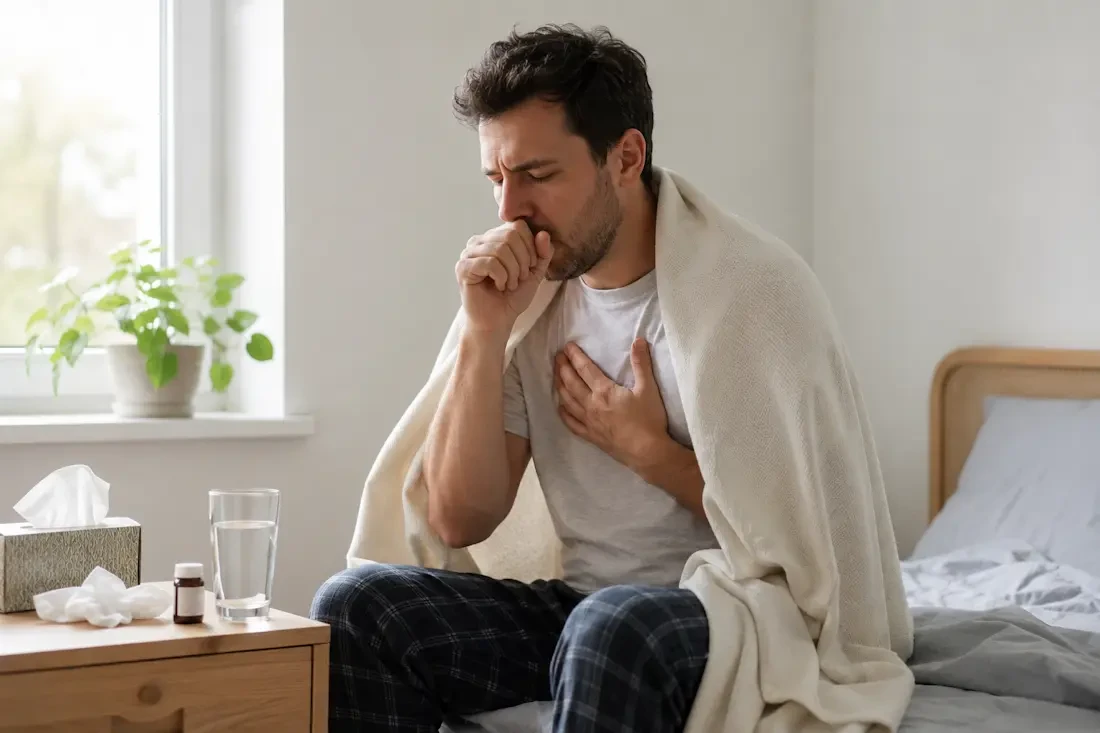
Pneumonia is a potentially serious respiratory infection that affects the lungs and can make breathing difficult. It can affect people of all ages, but infants, young children, older adults and individuals with weakened immune systems are particularly vulnerable. The condition is a major public-health concern because severe cases can lead to hospitalisation and life-threatening complications if medical attention is delayed.
Pneumonia develops when an infection causes inflammation in the lungs. The tiny air sacs, known as alveoli, may fill with fluid or pus, reducing the amount of oxygen that enters the bloodstream. Although many patients recover with appropriate treatment, recognising the early warning signs and understanding preventive measures are essential for protecting respiratory health.
What Is Pneumonia? Understanding Its Causes and Types
Pneumonia is an infection of one or both lungs caused by bacteria, viruses or fungi. Different microorganisms can trigger the condition, and the severity varies depending on the infection, the patient’s age and overall health.
Bacterial pneumonia is commonly associated with Streptococcus pneumoniae, also known as pneumococcus. Other bacteria, including Mycoplasma pneumoniae, can cause respiratory infections that sometimes develop into pneumonia.
Viral pneumonia may result from influenza, respiratory syncytial virus (RSV), COVID-19 and other respiratory viruses. Fungal pneumonia is less common and is more likely to affect people with weakened immune systems or certain environmental exposures.
The condition is also classified according to where the infection develops. Community-acquired pneumonia occurs outside healthcare facilities, while hospital-acquired pneumonia develops during a hospital stay. Ventilator-associated pneumonia can occur in patients receiving breathing support through a ventilator.
Several factors can increase the risk of developing pneumonia. These include smoking, exposure to indoor air pollution, poor nutrition, chronic lung or heart diseases, diabetes and weakened immunity. Crowded living conditions and limited access to healthcare can also increase the risk of infection and delayed treatment.
Symptoms and Early Warning Signs That Should Not Be Ignored
Pneumonia symptoms can appear suddenly or develop gradually over several days. In many cases, the illness begins with symptoms resembling a common cold or flu but becomes progressively worse.
Common symptoms include:
-
Persistent cough, sometimes producing yellow, green or blood-stained mucus.
-
Fever, sweating and chills.
-
Shortness of breath or difficulty breathing.
-
Chest pain that becomes worse while coughing or taking deep breaths.
-
Fatigue, weakness and loss of appetite.
-
Muscle pain and headache.
-
Nausea, vomiting or diarrhoea in some patients.
In older adults, pneumonia may sometimes cause confusion, unusual tiredness or changes in mental awareness rather than a high fever.
Children can show different warning signs. Rapid breathing, difficulty feeding, chest indrawing (when the lower chest moves inward during inhalation), unusual sleepiness and grunting sounds while breathing require prompt medical assessment.
Severe breathing difficulty, bluish lips or skin, confusion or reduced responsiveness are emergency warning signs. Anyone experiencing these symptoms should receive immediate medical attention rather than waiting for the condition to improve.
Diagnosis, Treatment and Possible Health Complications
Doctors diagnose pneumonia by assessing symptoms, medical history and physical examination. They may listen to the lungs using a stethoscope to identify unusual breathing sounds. Depending on the patient’s condition, additional investigations such as a chest X-ray, blood tests, oxygen-level measurement or sputum examination may be recommended.
Treatment depends on the microorganism responsible for the infection and the severity of the illness. Bacterial pneumonia is generally treated with antibiotics prescribed by a healthcare professional. Viral pneumonia may require supportive treatment, and antiviral medicines may be appropriate for certain infections. Fungal pneumonia requires specific antifungal medication.
Patients may also need rest, adequate fluids, fever management and monitoring of oxygen levels. Severe cases may require hospitalisation, oxygen therapy or intensive medical support.
Untreated or severe pneumonia can lead to complications such as respiratory failure, sepsis, fluid accumulation around the lungs and lung abscesses. People with existing medical conditions may face a greater risk of complications.
It is important not to take antibiotics without medical advice. Antibiotics do not treat viral infections, and inappropriate use can contribute to antimicrobial resistance.
Prevention: Practical Steps to Protect Your Lungs
Pneumonia prevention involves vaccination, good hygiene, healthy living habits and reducing exposure to harmful environmental factors.
Vaccination is one of the most effective preventive measures. Pneumococcal, influenza, COVID-19, Hib, measles and pertussis vaccines can help prevent infections that may cause pneumonia. India’s Universal Immunization Programme includes pneumococcal conjugate vaccine (PCV) for eligible children. Adults should discuss age- and risk-appropriate vaccination with their healthcare providers.
Other important precautions include:
-
Maintain hand hygiene: Wash hands regularly with soap and water, particularly after coughing, sneezing or coming into contact with someone who is ill.
-
Cover coughs and sneezes: Use a tissue or your elbow to reduce the spread of respiratory germs.
-
Avoid smoking: Tobacco smoke damages the lungs and increases the risk of respiratory infections.
-
Improve indoor air quality: Ensure proper ventilation and reduce exposure to smoke from cooking fuels, burning waste and other pollutants.
-
Follow a nutritious diet: Eat a balanced diet, stay hydrated and maintain healthy daily routines.
-
Protect vulnerable individuals: Keep sick people away from infants, older adults and people with weakened immunity where possible.
-
Seek timely medical advice: Do not ignore persistent cough, fever or breathing difficulties.
Pneumonia is a preventable and treatable disease in many cases, but it should never be taken lightly. Awareness of symptoms, timely diagnosis, appropriate treatment and recommended vaccination can significantly reduce its health risks. Protecting lung health requires consistent preventive habits and early medical attention whenever warning signs appear.

