

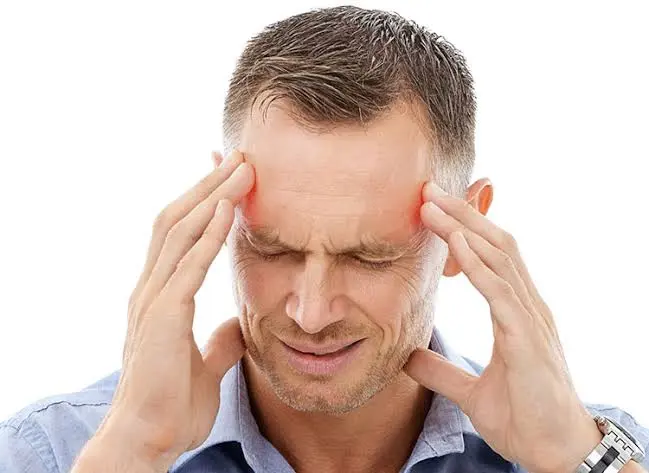
A brain stroke, commonly known as a “brain attack,” is a serious medical emergency that occurs when the blood supply to a part of the brain is interrupted or when a blood vessel in the brain ruptures. Without an adequate supply of oxygen and nutrients, brain cells begin to die within minutes. This can lead to permanent disability, long-term health complications or even death.
A stroke can affect people of any age, although the risk generally increases with age. Recognising its early warning signs and seeking immediate medical attention can significantly improve the chances of survival and recovery. Understanding its causes, risk factors and preventive measures is therefore essential.
What Is a Brain Stroke? Understanding Its Types and Warning Signs
There are two major types of brain stroke. An ischaemic stroke occurs when a blood clot blocks an artery supplying blood to the brain. It is the most common type and may happen when a clot forms inside an artery or travels from another part of the body to the brain.
A haemorrhagic stroke occurs when a blood vessel in or around the brain ruptures, causing bleeding. High blood pressure and weakened blood vessel walls, including aneurysms, are among its possible causes.
Another condition is a transient ischaemic attack (TIA), often called a mini-stroke. It causes temporary stroke-like symptoms because blood flow to the brain is briefly interrupted. Although symptoms may disappear within minutes or hours, a TIA is a serious warning sign and requires urgent medical evaluation.
Stroke symptoms usually develop suddenly. The FAST method can help identify three important warning signs:
- Face drooping: One side of the face may become weak or numb. The person’s smile may appear uneven.
- Arm weakness: One arm may feel weak or numb, or drift downward when both arms are raised.
- Speech difficulty: Speech may become unclear, or the person may struggle to speak or understand others.
- Time to act: Call emergency services immediately if any of these symptoms appear.
Other warning signs include sudden vision problems, confusion, difficulty walking, loss of balance, numbness on one side of the body and an unusually severe headache.
Major Risk Factors That Increase the Chances of Stroke
Several medical conditions and lifestyle habits can increase the risk of experiencing a brain stroke. High blood pressure is one of the most important risk factors because it can damage blood vessels and make them more vulnerable to blockage or rupture.
Diabetes can also damage blood vessels over time, while high cholesterol may contribute to the formation of fatty deposits in arteries. Heart conditions, particularly atrial fibrillation, can increase the possibility of blood clots travelling to the brain.
Smoking is another major risk factor because it damages blood vessels and promotes clot formation. Obesity, physical inactivity, excessive alcohol consumption and an unhealthy diet can further increase the risk.
Age and family history may also influence a person’s chances of developing a stroke. However, many risk factors can be controlled through regular health check-ups, appropriate medical treatment and healthier lifestyle choices.
Diagnosis and Treatment: Why Every Second Matters
A suspected stroke requires immediate medical attention. Doctors generally use a combination of physical examinations, medical history and brain imaging to identify the type of stroke and determine the appropriate treatment.
A CT scan is commonly performed to identify bleeding in the brain, while an MRI can provide detailed images of affected brain tissue. Additional investigations, such as carotid ultrasound, blood tests and echocardiography, may help identify underlying causes and assess the risk of another stroke.
Treatment depends on whether the stroke is ischaemic or haemorrhagic. In selected patients with an ischaemic stroke, clot-dissolving medication, such as alteplase, may be given within a limited time window, commonly up to 4.5 hours after symptoms begin. Some patients may benefit from mechanical thrombectomy, a procedure that removes a clot from a blocked artery. Eligible patients may receive this treatment up to 24 hours after they were last known to be well.
Haemorrhagic stroke requires a different approach. Treatment may involve controlling blood pressure, managing bleeding, reducing pressure inside the brain and, in certain cases, surgery to repair the damaged blood vessel.
After emergency treatment, rehabilitation may include physiotherapy, speech therapy and occupational therapy to help patients regain movement, communication and independence.
How to Prevent a Brain Stroke
Although not every stroke can be prevented, adopting healthier habits can significantly reduce the risk. Maintaining healthy blood pressure, controlling diabetes and managing cholesterol levels are important steps.
People should avoid smoking and tobacco products, remain physically active and follow a balanced diet rich in fruits, vegetables, whole grains and lean protein. Limiting salt, added sugar and unhealthy fats can also support cardiovascular health.
Regular medical check-ups are particularly important for people with heart disease, diabetes or a family history of stroke. Individuals diagnosed with atrial fibrillation should follow their doctor’s advice regarding treatment and stroke prevention.
Most importantly, never ignore sudden neurological symptoms, even if they disappear after a few minutes. A temporary episode may indicate a TIA and could signal an increased risk of a major stroke.
Conclusion
A brain stroke is a time-sensitive medical emergency in which every minute matters. Recognising warning signs, seeking immediate medical help and receiving the right treatment can reduce the risk of severe brain damage and long-term disability. Along with timely intervention, managing health conditions and adopting healthy lifestyle habits can help protect brain health and lower the chances of a stroke.
Disclaimer: This article is intended for general awareness and does not replace professional medical advice. If a stroke is suspected, contact emergency services immediately. Do not wait for symptoms to disappear.

