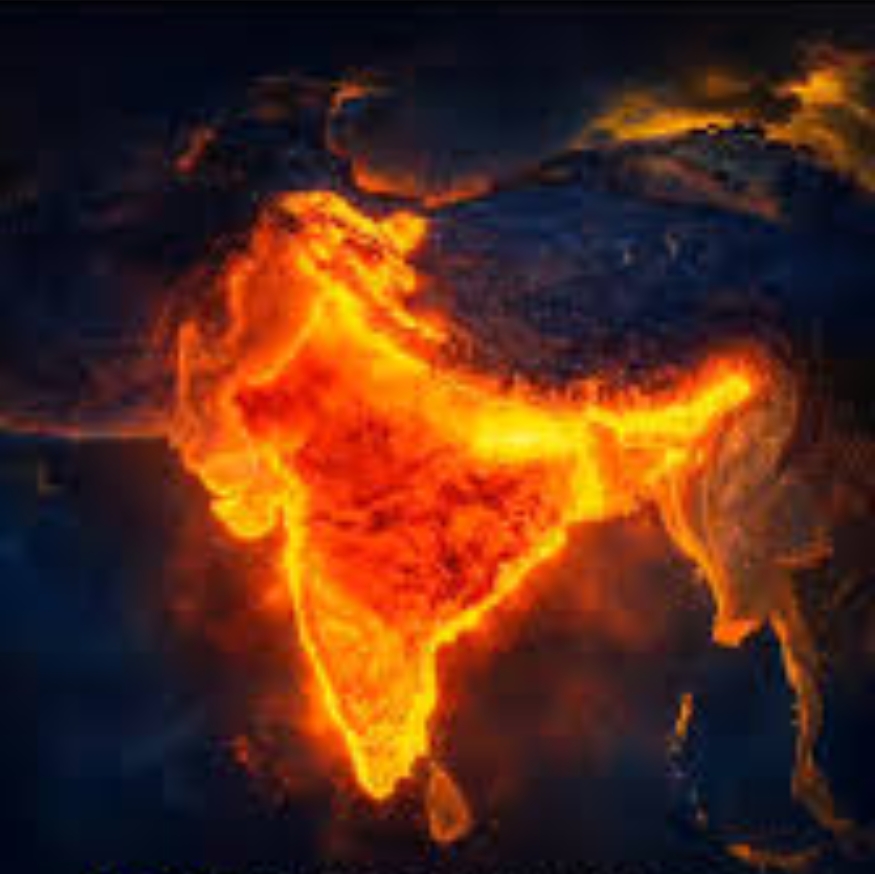
A new warning from the World Bank has brought global attention to a growing but often ignored threat — extreme urban heat.According to the report, by 2050, the number of poor people dying due to heat in cities could rise by a staggering 700%, turning rising temperatures into one of the deadliest challenges of urban life.Unlike floods, earthquakes, or storms, heat does not arrive with dramatic visuals. It spreads quietly earning the name “silent killer.”
Cities Turning Into Heat Traps
Across the world, especially in countries of the Global South, cities are rapidly transforming into heat islands. Concrete structures, lack of green cover, and dense populations trap heat, making urban areas significantly hotter than surrounding regions.As cities expand without proper planning, the problem intensifies. Limited resources, poor infrastructure, and unchecked urbanization are creating environments where heat becomes inescapable.For millions living in crowded neighborhoods, there is often no relief — no cooling systems, no green spaces, no protection.
The Poor Hit the Hardest
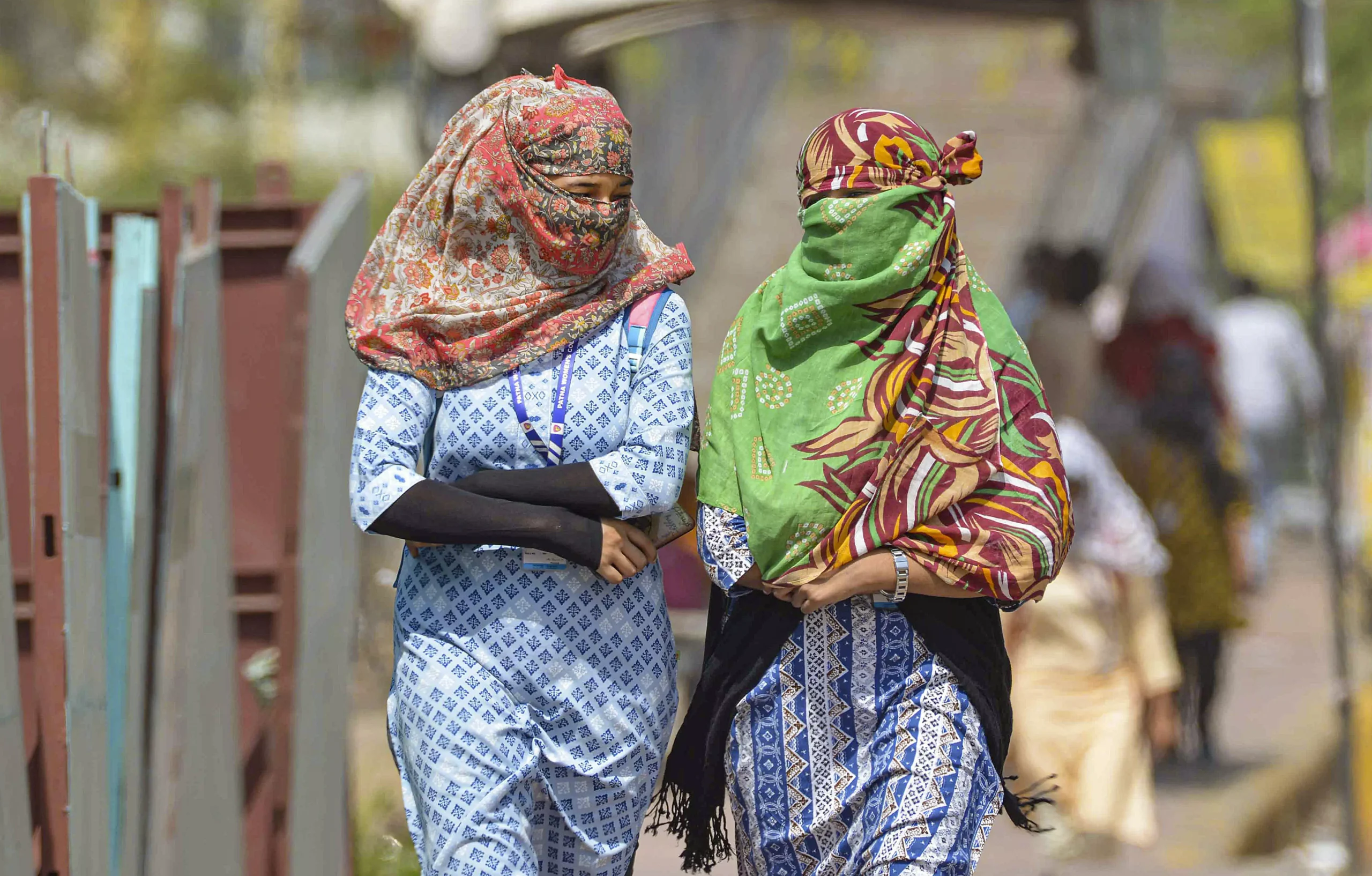
The burden of this crisis is not evenly distributed. The World Bank report highlights that low-income populations will face the most severe consequences.Daily wage workers, street vendors, construction laborers, and those living in informal settlements are forced to work and survive in extreme conditions. For them, staying indoors is not an option — because no work means no income.This creates a dangerous cycle where people are exposed to heat for long hours, increasing the risk of heatstroke, dehydration, and long-term health complications.
Life Disrupted: Work, Education, and Healthcare Affected
The impact of rising heat goes far beyond discomfort. It is already disrupting everyday life in cities:People are unable to work efficiently, leading to loss of income.Children struggle to attend school in extreme temperatures.Patients face difficulties reaching hospitals or receiving timely care.Heat is not just an environmental issue —it is becoming a social and economic crisis.
A Growing Health Emergency
Medical experts warn that prolonged exposure to high temperatures can lead to serious health risks, including cardiovascular stress, respiratory problems, and even death.What makes the situation more alarming is that many deaths caused by heat often go underreported or unnoticed, reinforcing its label as a silent killer.
Why This Crisis Is Escalating
Several factors are driving this alarming trend:
●Rapid urbanization without climate-sensitive planning
●Global warming increasing baseline temperatures
●Declining green cover in cities
●Rising population density in vulnerable areas
Together, these factors are creating a perfect storm where heat becomes more frequent, more intense, and more deadly.
The Bigger Question: Are Cities Prepared?
The warning from the World Bank raises a critical question —are cities ready to handle this crisis?Experts emphasize the need for urgent action, including better urban planning, increased green spaces, improved housing conditions, and access to cooling solutions.Without intervention, the gap between those who can protect themselves and those who cannot will continue to widen.
A Crisis That Demands Immediate Attention
The rise of extreme urban heat is not a future problem —it is already unfolding.If current trends continue, millions of lives could be at risk, particularly among the most vulnerable populations.Because in the end,the deadliest threats are not always the loudest — sometimes, they arrive silently.