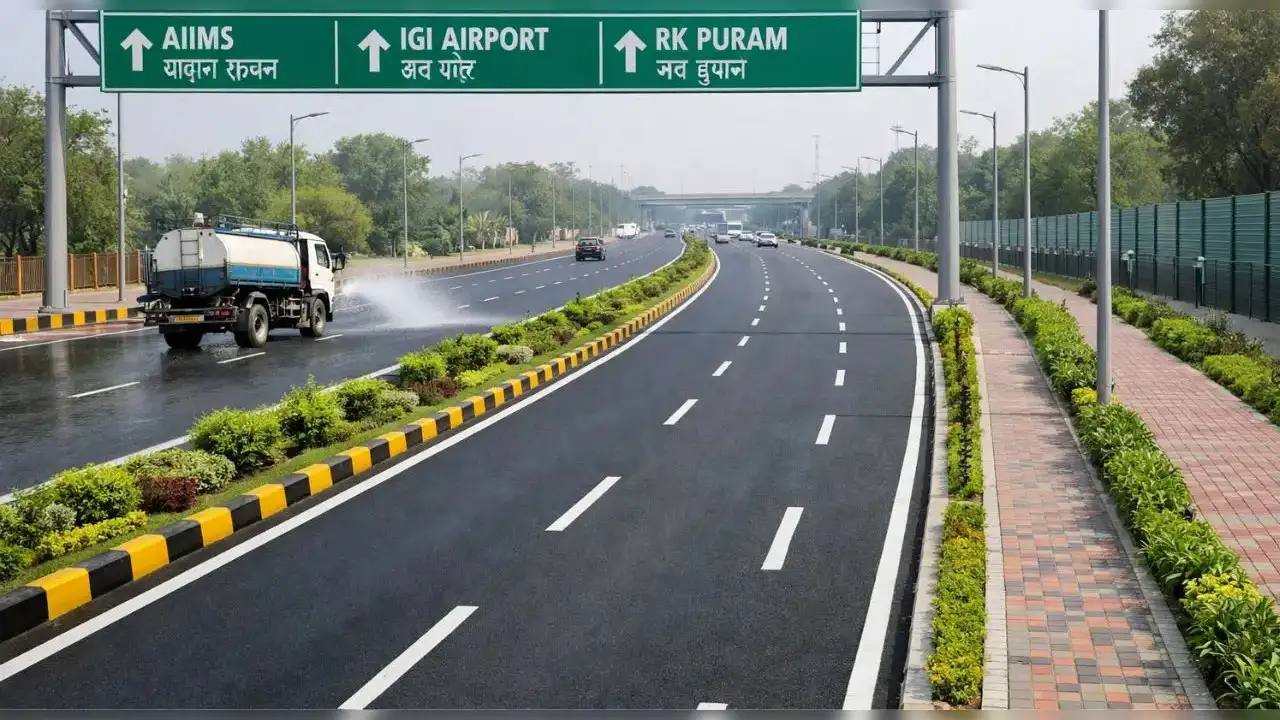
In a major push to curb rising air pollution, the Delhi government has launched an ambitious road redevelopment plan aimed at controlling dust emissions — one of the city’s biggest pollution sources. Under the initiative, 160 kilometres of roads will be upgraded across the capital by the end of 2026.
The project, led by the Public Works Department (PWD), focuses on transforming selected stretches into “model roads” designed to remain largely dust-free throughout the year.
Pilot Project to Test the Model
As part of the first phase, four road stretches have been identified for a pilot makeover. These roads will undergo comprehensive civil upgrades, including:
◆Repair of potholes and damaged surfaces
◆Wall-to-wall paving to eliminate exposed soil
◆Landscaping and plantation along shoulders and medians
Officials said the pilot will help establish a standard design template. If successful, the model will be replicated across other parts of Delhi.
Why Road Dust Is a Major Concern
Road dust has emerged as one of the largest contributors to Delhi’s air pollution, especially during dry months. Frequent digging, broken pavements, and uncovered shoulders allow fine dust particles to spread easily, worsening air quality.
A recent review chaired by the Chief Minister highlighted the urgent need to address dust at its source rather than relying only on emergency pollution measures.
Scale of Delhi’s Road Challenge
Delhi has nearly 3,300 km of roads that require reconstruction or upgrades:
●Around 800 km fall under PWD
●About 1,200 km are managed by municipal corporations
●Nearly 1,000 km lie in unauthorised colonies
The current plan focuses on roads under PWD control, with coordination expected for other agencies in later phases.
Timeline and Project Cost
The redevelopment of 160 km of roads will be completed between January and December 2026. Additionally, 85.7 km of roads have been earmarked specifically for intensive greenery and plantation work.
Officials estimate the total cost of the project will exceed ₹400 crore. Tenders are expected to be floated soon, with strict timelines set for execution.
Underground Ducts to Prevent Repeated Digging
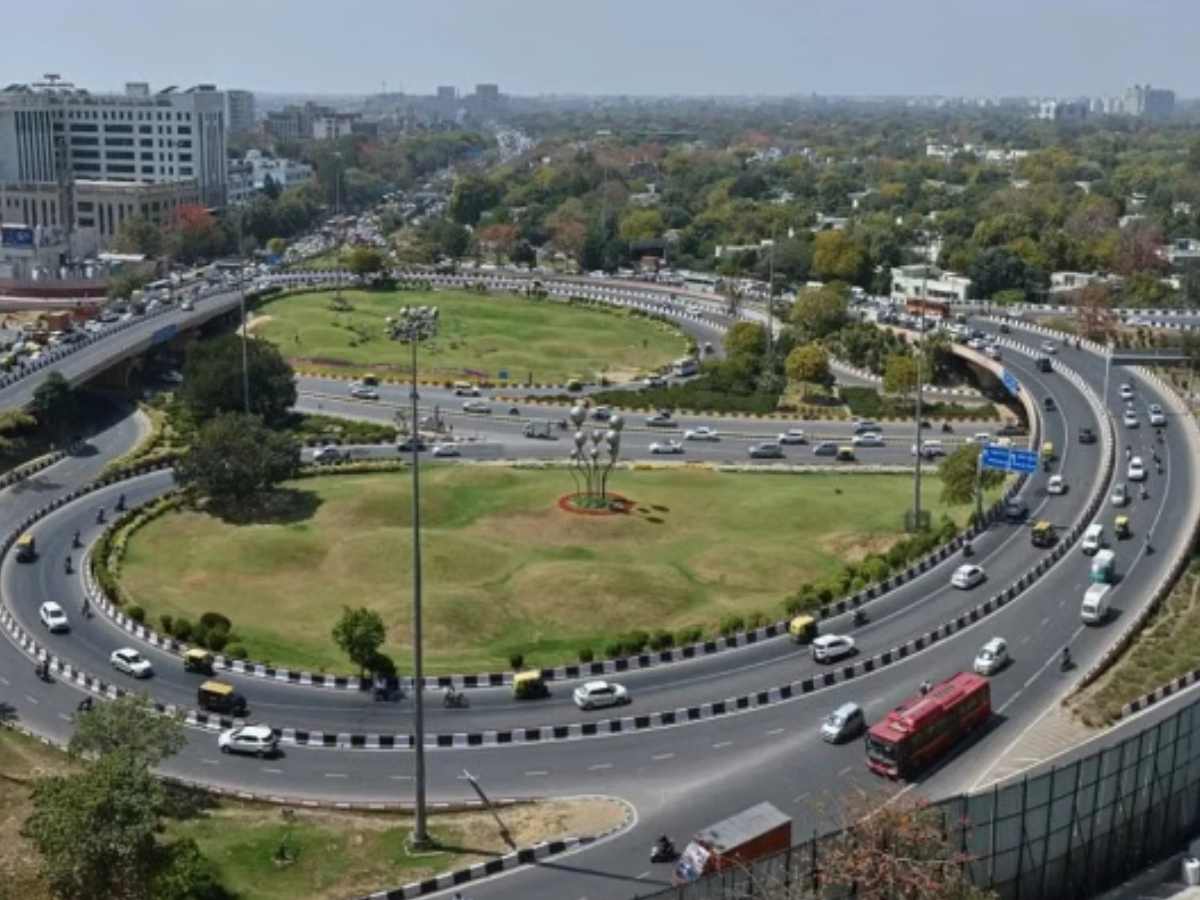
To ensure long-term benefits, the project includes the construction of underground utility ducts. This will prevent repeated road cutting for cables and pipelines — a major reason for dust generation and road damage.
Additional Dust-Control Measures
Alongside redevelopment, the PWD is rolling out supporting dust-control initiatives:
Deployment of 70 mechanical road sweepers and water tankers
Use of 250 water sprinklers on major roads at fixed intervals
These measures aim to keep dust levels under control even during peak traffic hours.
A Long-Term Strategy Against Air Pollution
Officials believe the combination of infrastructure upgrades, greenery, and mechanical cleaning represents one of Delhi’s most comprehensive efforts yet to combat air pollution at the ground level.
If implemented successfully, the model could significantly reduce dust pollution and improve day-to-day air quality for residents.