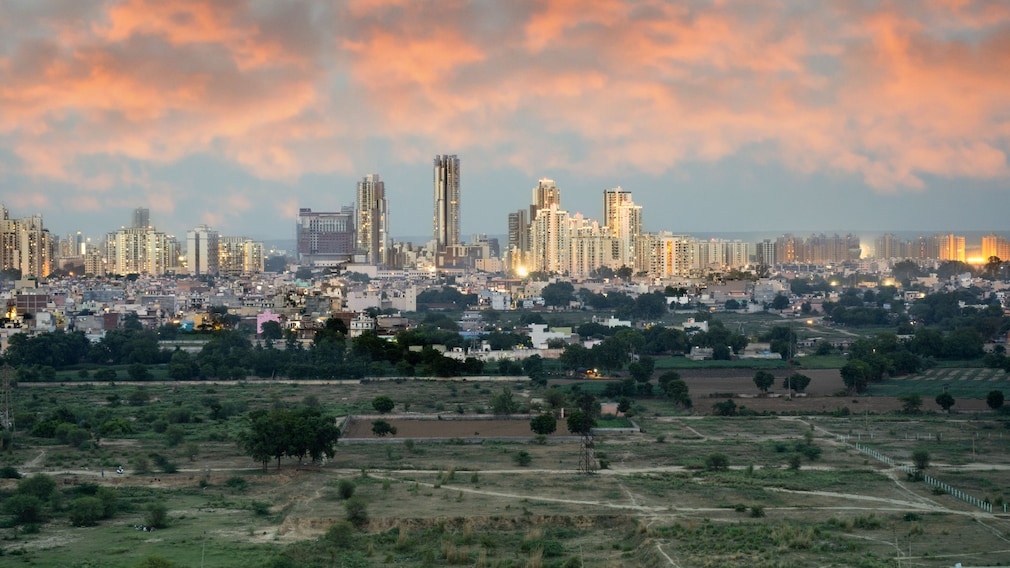
On April 17, 1976, Noida was officially notified as an industrial township under the Uttar Pradesh Industrial Area Development Act. Conceived during the Emergency period under the vision of Sanjay Gandhi, the idea was simple—ease Delhi’s burden and create space for industries.
Half a century later, that modest vision has been completely outgrown.
Noida today stands as one of India’s most dynamic economic zones—a city that no longer supports Delhi but competes with global business hubs. What makes its rise remarkable is not speed, but consistency, discipline, and long-term planning.
The Foundation Years: Where Planning Beat Chaos
In the late 1970s and early 1980s, Noida was dominated by villages and agricultural land. Unlike many Indian cities that grew chaotically, Noida followed a structured blueprint—sector-based planning, wide roads, and dedicated industrial zones.
This early discipline became its biggest strength.
Industrial units started coming in gradually, building trust among investors. Over time, that trust transformed into capital inflow, laying the foundation of what would become one of North India’s most important economic corridors.
The Turning Point: When Global Giants Arrived
The real shift came in the late 1990s when global manufacturers began placing bets on Noida.
Companies like LG and Samsung set up major manufacturing units in Greater Noida, signalling confidence in the region.
Soon after, the IT wave followed.
Tech giants including Microsoft, HCL, and Adobe established operations, transforming Noida from an industrial base into a technology and services powerhouse.
This shift brought talent, housing demand, and a thriving ecosystem—marking Noida’s transition into a full-fledged economic centre.
A City That Transformed Its Geography
One of Noida’s most unique transformations lies in its geography. Villages didn’t disappear—they evolved.
Areas like Chhalera and Sorkha turned into IT hubs, while Sarfabad emerged as a commercial hotspot around Sector 18 and Sector 62. This large-scale land-use transformation reflects not just growth, but strategic urban evolution.
Today, Noida boasts over 43 million square feet of office space, more than 10,000 industrial units, and contributes nearly 10% to Uttar Pradesh’s economy.
Its per capita income, estimated at over Rs 8 lakh annually, is significantly higher than the national average—highlighting the concentration of high-value jobs and economic activity.
Real Estate Boom: The Strongest Signal of Growth
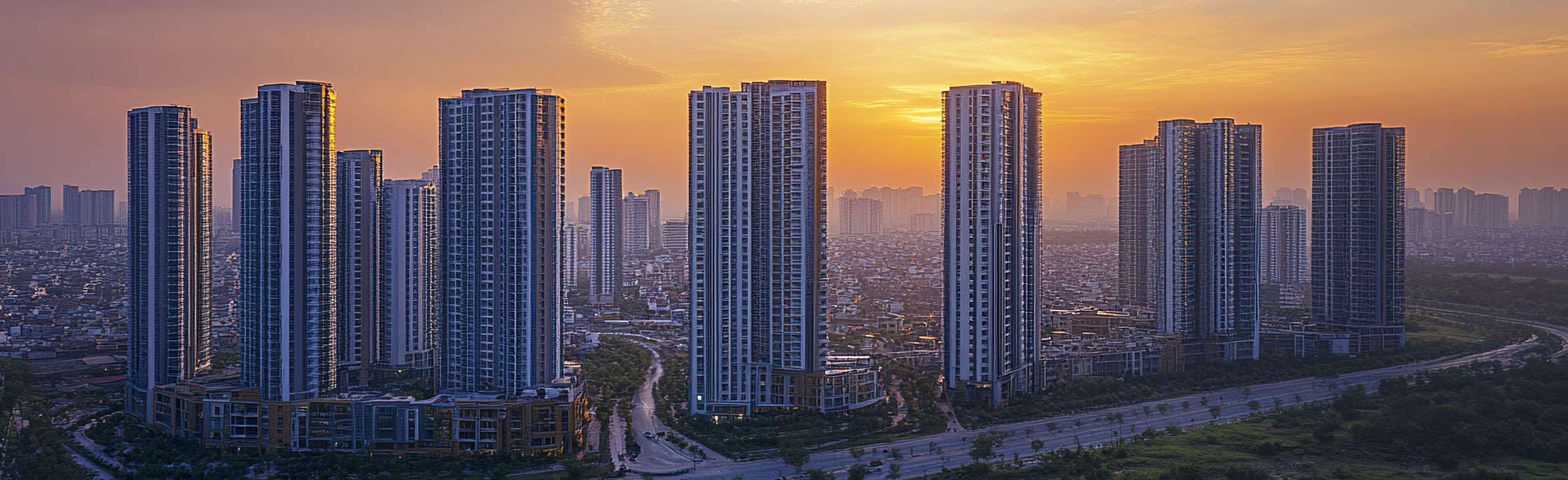
If there’s one sector that captures Noida’s transformation best, it is real estate.
What was once land selling at a few hundred rupees per square yard now commands premium rates exceeding Rs 10,000 per square foot in key areas. Property prices have nearly doubled in the last five years, driven by infrastructure growth and rising demand.
The announcement of the Noida International Airport has further accelerated this boom, especially along the Yamuna Expressway, where prices have surged dramatically.
This is no longer simple appreciation—it is a complete shift in the city’s economic category.
Infrastructure: The Backbone of Every Growth Phase
Every major leap in Noida’s journey has been powered by infrastructure.
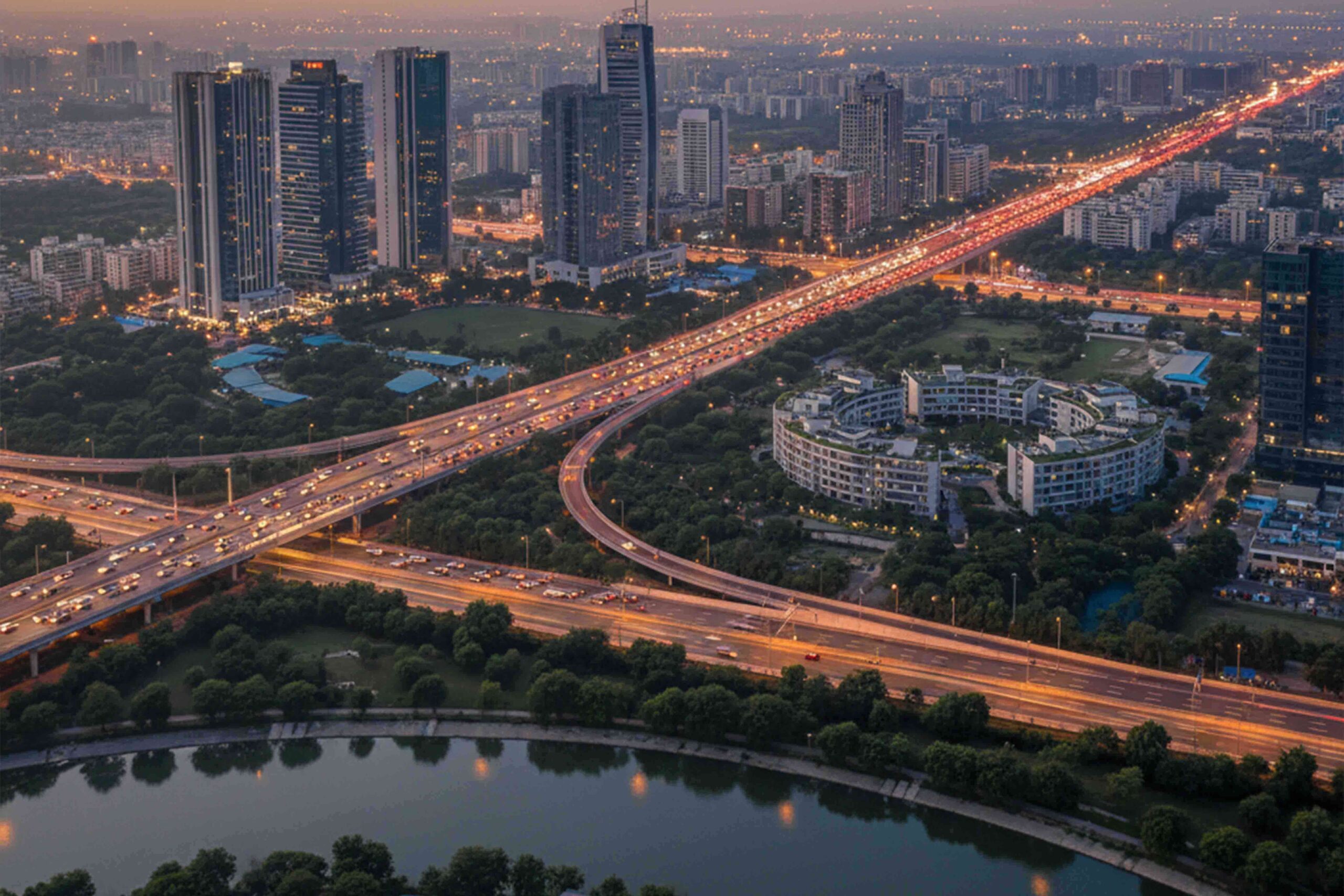
The expansion of metro connectivity, the rise of expressways, and policy support have consistently opened new corridors of growth. The Yamuna Expressway has become a critical investment belt, while the Noida Expressway is now a preferred destination for global corporations.
In recent years, Noida has also gained an edge over Gurugram, as companies seek better planning, lower costs, and smoother infrastructure.
From Industrial Hub to Multi-Layered Urban Economy
Unlike many cities that grow unevenly, Noida has developed in layers.
Premium residential sectors coexist with affordable housing zones, while commercial hubs continue expanding alongside industrial belts. From luxury apartments to integrated townships, the housing market reflects a city that is evolving with its population.
This balance has ensured sustained growth without extreme volatility—making Noida attractive for both investors and end-users.
The Next Chapter: A City That Drives Its Own Demand
Noida’s future is already taking shape.
The upcoming airport, data centres, AI hubs, and continued infrastructure expansion are expected to define the next decade. Experts believe property prices could see another significant jump, while global investments continue to flow in.
What began as a satellite township has now become a self-sustaining economic engine.
A Silent Transformation That Changed NCR Forever
Noida’s story is not about overnight success—it is about steady, strategic evolution.
From farmland to financial hub, from industrial cluster to global corporate destination, Noida has quietly rewritten India’s urban growth model.
At 50, it is no longer a supporting character in NCR’s story.
It is one of its most powerful protagonists.