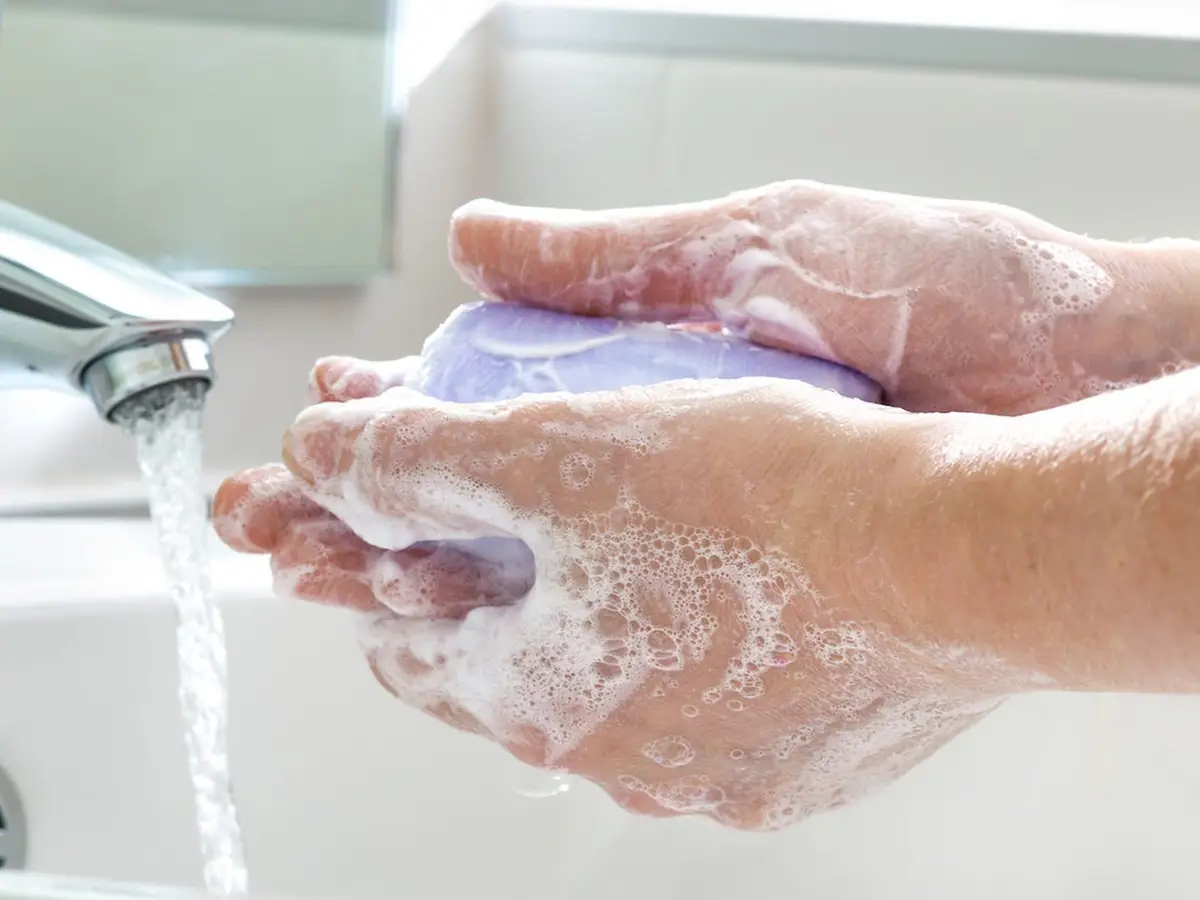
Handwashing is often considered one of the most basic hygiene practices, yet health experts say it remains one of the most misunderstood. While most people believe they wash their hands correctly, improper technique, inadequate duration and poor timing continue to contribute to the spread of infectious diseases.
Medical experts emphasize that proper hand hygiene is one of the most effective and affordable public health measures available. Studies have shown that consistent handwashing can significantly reduce the risk of diarrhoeal diseases, respiratory infections and other communicable illnesses.
Your Hands Are Carrying More Germs Than You Think
Many people assume infections spread primarily through the air. However, contaminated hands remain one of the most common routes through which germs enter the body. Everyday activities such as touching public surfaces, handling food, coughing, sneezing or caring for a sick person can transfer harmful bacteria and viruses onto the hands.
When individuals touch their eyes, nose or mouth without washing properly, these germs can easily enter the body and cause illness. Common conditions including colds, influenza, diarrhea and certain foodborne infections are frequently transmitted through this route.
FutureCrime Summit 2026: Registrations to Open Soon for India’s Biggest Cybercrime Conference
Soap and Technique Make All the Difference
Experts stress that simply rinsing hands with water is not enough. Soap plays a crucial role by breaking down the outer protective layer of many bacteria and viruses, making them easier to remove from the skin.
Equally important is the washing technique. Health professionals recommend scrubbing hands with soap and water for at least 20 seconds. Areas commonly missed include the backs of the hands, spaces between fingers, thumbs, fingertips, knuckles and wrists. Thorough drying is also essential, as damp hands can transfer germs more easily than dry ones.
While alcohol-based hand sanitizers can be useful when soap and water are unavailable, they should not always be considered a complete replacement, especially when hands are visibly dirty.
Timing Matters as Much as Technique
Doctors advise washing hands before eating or preparing food, after using the toilet, after coughing or sneezing, after handling garbage, after touching animals and after coming into contact with frequently used public surfaces.
Experts say teaching proper handwashing habits to children can have a lasting impact on community health. Good hygiene practices not only reduce illness among school-going children but also help protect vulnerable family members, including infants, older adults and those with weakened immune systems.
As public health challenges continue to evolve, doctors maintain that a simple 20-second handwash remains one of the most effective tools for preventing the spread of infections and keeping families healthier.