

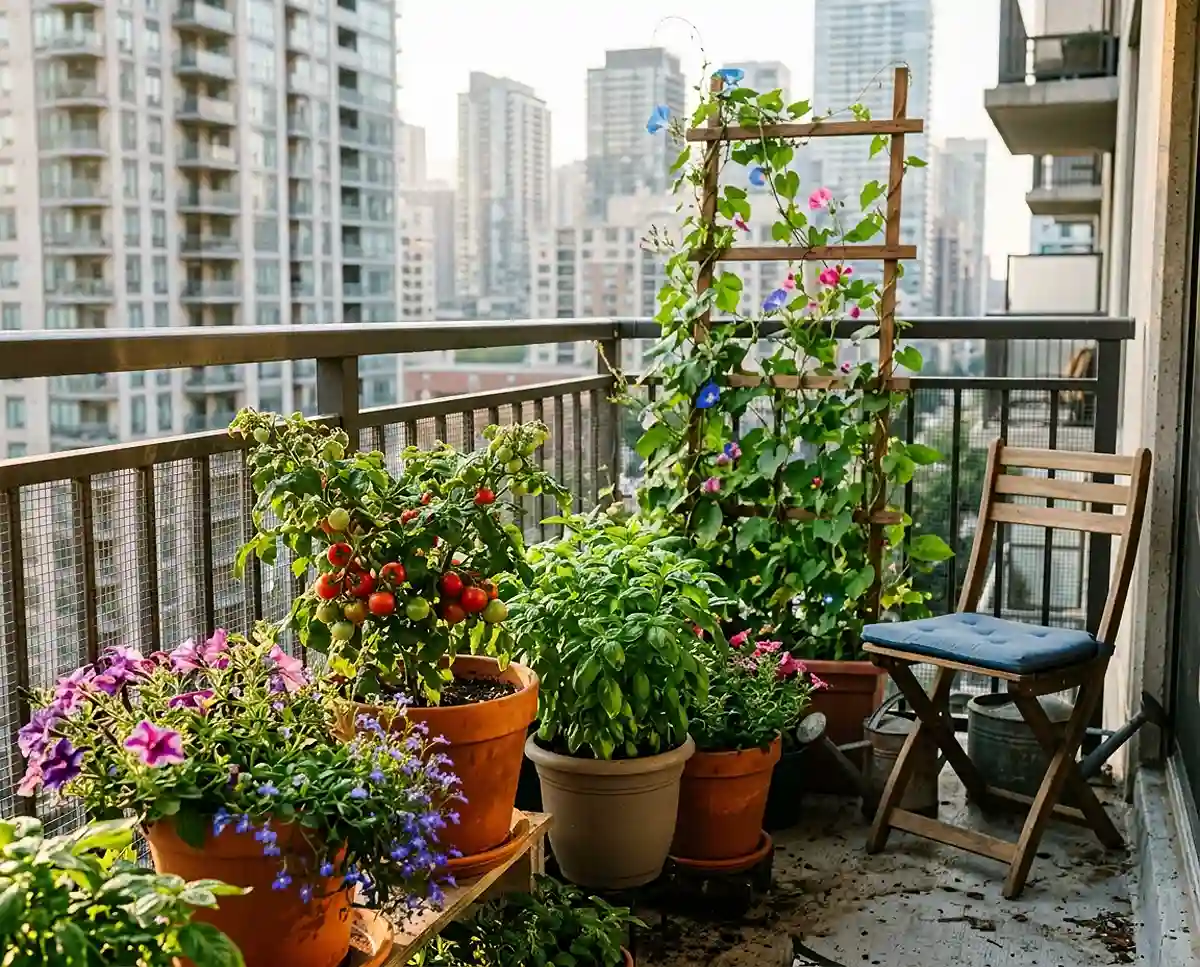
Home gardening is gaining popularity as more people look for ways to create healthier, greener and more peaceful living spaces. From apartment balconies and rooftop terraces to small kitchen corners, people are finding creative ways to grow flowers, herbs, vegetables and indoor plants. What was once mainly considered a leisure activity has gradually become a meaningful lifestyle choice that connects individuals with nature.
Changing lifestyles, urbanisation and growing awareness of environmental issues have encouraged families to explore gardening at home. Even a few pots placed near a window can bring greenery into a living space and provide an opportunity to develop a rewarding daily routine. Apart from improving the appearance of homes, gardening can encourage physical activity, support emotional well-being and promote environmentally responsible habits.
Home Gardening Encourages Better Health and Mental Well-Being
One of the most valuable benefits of home gardening is the opportunity to spend time outdoors and engage in light physical activity. Tasks such as watering plants, preparing soil, removing weeds and trimming leaves involve movement that can help people remain active. Gardening also provides a refreshing break from prolonged screen time and sedentary routines.
Caring for plants can be a calming experience. Observing new leaves, watering seedlings and watching flowers bloom can create a sense of satisfaction. Gardening encourages patience and consistency because plants require regular attention rather than immediate results. For individuals managing busy schedules, spending even 15 to 20 minutes with plants can become a pleasant part of the day.
Home gardening can also bring families closer. Parents can involve children in planting seeds, watering pots and learning about different plant species. These activities help children develop responsibility, curiosity and an appreciation for the natural environment.
Growing Fresh Vegetables and Herbs Promotes Healthy Eating
Another important reason behind the growing interest in home gardening is the opportunity to cultivate fresh herbs and vegetables. Depending on available space, sunlight and seasonal conditions, households can grow mint, coriander, spinach, tomatoes, green chillies, fenugreek and other suitable varieties.
Having fresh ingredients within easy reach can encourage families to include more vegetables and herbs in their meals. It also helps people understand where food comes from and how much effort goes into producing it. Children, in particular, may become more interested in trying vegetables when they have participated in growing them.
Kitchen gardening does not require a large backyard. Containers, recycled pots and grow bags can be used on balconies, rooftops and windowsills. However, successful gardening requires suitable soil, adequate sunlight, proper drainage and regular watering. Beginners should start with plants that are appropriate for their local climate and available growing conditions.
Although a small home garden may not fulfil all household food requirements, it can provide supplementary fresh produce and make everyday cooking more enjoyable.
Green Homes Promote Environmental Awareness and Sustainable Living
Home gardening can contribute to greener surroundings and encourage environmentally conscious behaviour. Plants add natural beauty to balconies, terraces and indoor spaces, making homes feel more welcoming. Outdoor flowering plants can also attract butterflies, bees and other pollinators, particularly when locally suitable species are selected.
Gardening provides an opportunity to adopt simple sustainable practices. Composting fruit and vegetable scraps, reusing suitable containers, collecting rainwater where practical and reducing unnecessary chemical pesticide use can help minimise household waste and support responsible resource management.
People starting a home garden should first assess the available sunlight and space before purchasing plants. Beginners can choose easy-to-maintain varieties such as tulsi, aloe vera, money plant, mint and marigold. Containers should have drainage holes, and watering should be adjusted according to the plant’s requirements. Overwatering can damage roots, so regular observation is important.
Home gardening is not a replacement for proper indoor ventilation or air filtration, but it can create a pleasant environment and strengthen people’s connection with nature.
Conclusion
Home gardening is a simple yet rewarding activity that combines healthy habits, environmental awareness and personal satisfaction. Whether someone grows a few herbs in the kitchen or develops a larger terrace garden, every small effort can contribute to a greener lifestyle. With suitable plants, basic gardening knowledge and consistent care, anyone can begin creating a beautiful green space at home.

