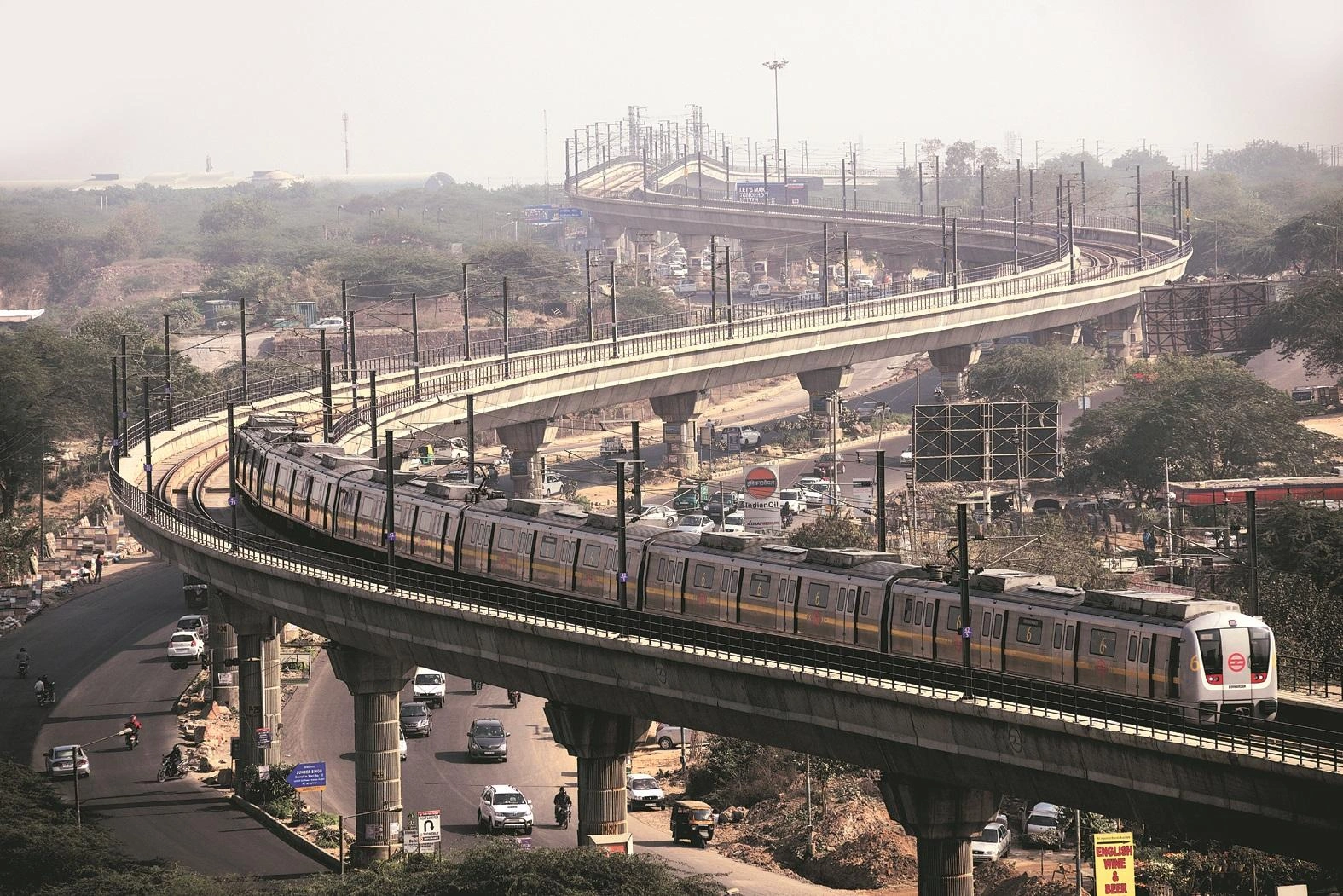
The Noida Metro Rail Corporation (NMRC) has taken a significant step toward expanding public transport infrastructure, with 13 agencies expressing interest in developing metro stations on the proposed Sector-142 to Botanical Garden corridor and the Greater Noida Depot to Bodaki extension. The response follows the Expression of Interest (EOI) issued by NMRC last month, marking progress on one of the region’s key urban mobility projects.
Public-Private Partnership Model Introduced for Station Development
For the first time, NMRC is adopting a public-private participation model during the station development phase. Under the proposal, selected agencies will be allowed to associate their corporate names with metro stations while also developing commercial properties within station premises to generate revenue. Officials said this would be the first initiative of its kind in Uttar Pradesh and the Delhi-NCR region, where private partners become involved before station construction is completed. The shortlisted agencies will now be invited for consultations to provide technical and commercial suggestions before the project advances further. Stations that do not receive suitable proposals may be reopened for fresh applications.
New Metro Corridor to Improve Noida Connectivity
The proposed 11.56-kilometre metro corridor will connect Aqua Line’s Sector-142 station with Botanical Garden, which serves as an interchange for Delhi Metro’s Blue and Magenta Lines. Planned stations include Botanical Garden, Sector-44, Noida Office Sector-94, Sector-97, Sector-105, Sector-108, Sector-93, and Panchsheel Balak Inter College. The corridor is expected to strengthen connectivity along the rapidly developing Noida-Greater Noida Expressway, benefiting residential communities, commercial hubs, IT parks, and educational institutions.
Registration Begins for FutureCrime Summit 2026, India’s Largest Cybercrime Conference
Bodaki Extension to Support Future Transport Hub
In addition to the Botanical Garden extension, NMRC plans to extend the Aqua Line by approximately 2.6 kilometres from the existing depot to Bodaki. Two new stations—Junpat Village and Bodaki—are proposed under this phase. The extension is strategically important as Bodaki is planned to host a future multi-modal transport hub, integrating metro, rail, and other public transport services to improve regional mobility.
Namo Bharat Corridor to Cut Airport Travel Time
Meanwhile, work on the Detailed Project Report (DPR) for the proposed 72.44-kilometre Ghaziabad–Jewar Namo Bharat corridor is also progressing. Estimated to cost around ₹20,640 crore, the high-speed regional transit line will feature 12 stations and two depots. Designed for an operational speed of up to 180 km/h, the corridor is expected to reduce travel time between Ghaziabad, Noida, and Noida International Airport in Jewar to just 40–50 minutes. Together with the ongoing metro expansion, the project is expected to significantly strengthen public transport connectivity across the National Capital Region while supporting future urban and economic growth.