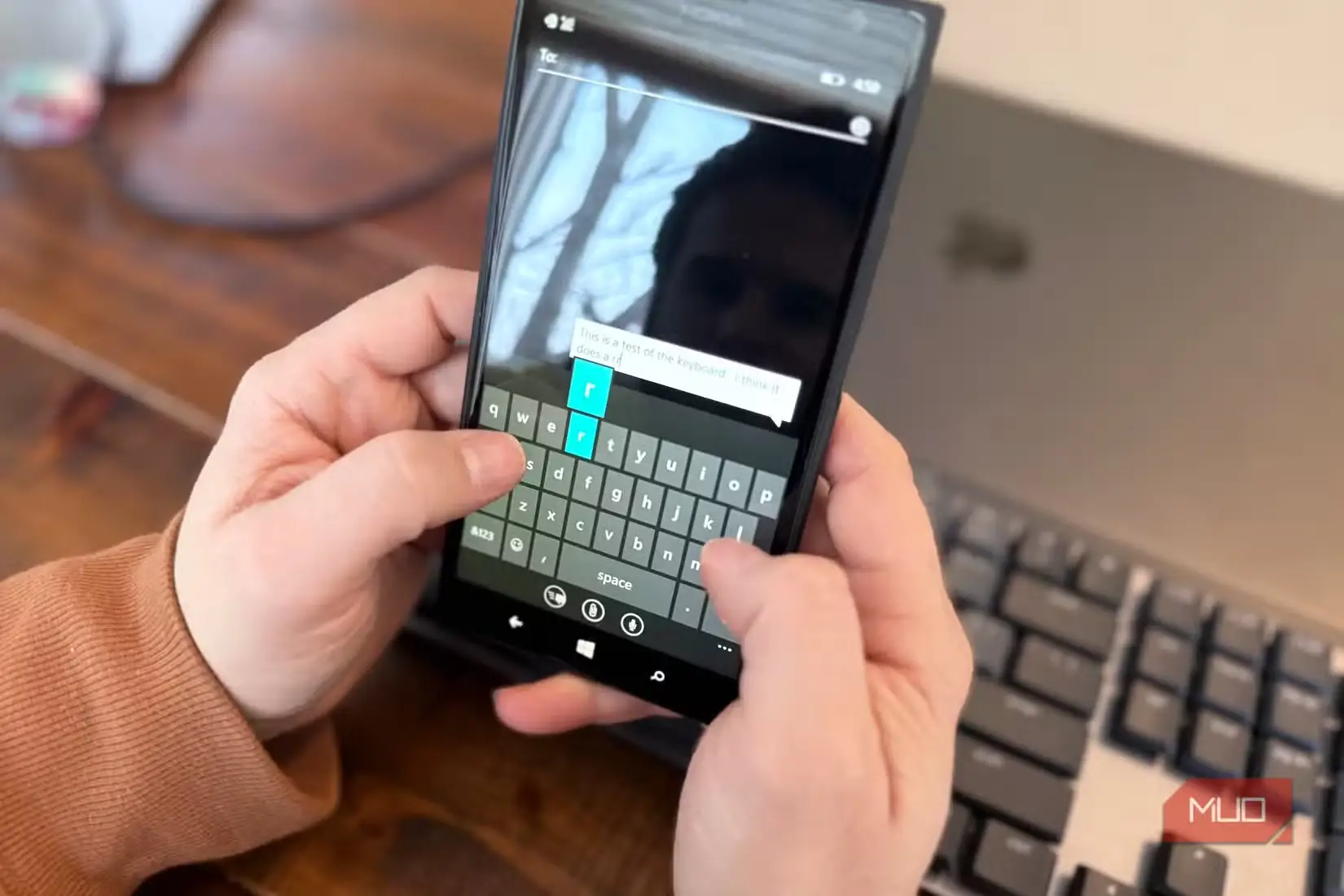
Smartphones are now a major part of daily life, with people spending hours texting, scrolling, typing and working on their devices. While frequent smartphone use does not directly cause arthritis, repetitive thumb movements can put stress on the tendons, muscles and joints of the hand. This may lead to conditions commonly described as “texting thumb.”
Doctors say people should distinguish between arthritis and temporary or repetitive-use injuries. Hand pain after prolonged phone use does not necessarily mean that arthritis has developed.
Does Texting Cause Arthritis?
Arthritis refers to several conditions that cause joint pain and inflammation. Osteoarthritis occurs when cartilage gradually breaks down, while inflammatory arthritis can result from autoimmune conditions.
Experts say there is currently no conclusive evidence that texting directly causes arthritis or permanent joint damage. However, excessive smartphone use can worsen existing arthritis, particularly in the thumb’s carpometacarpal (CMC) joint, which is important for gripping and moving objects.
Repeated thumb movements may also irritate the surrounding soft tissues. People with existing joint problems or increased joint flexibility may experience greater discomfort after prolonged smartphone use.
What Is ‘Texting Thumb’?
“Texting thumb” generally refers to pain caused by repetitive thumb movements. Constantly bending and extending the thumb while typing or scrolling can irritate the tendons and may result in tendonitis or tenosynovitis.
One related condition is De Quervain’s tenosynovitis, which can cause pain and tenderness at the base of the thumb and on the thumb side of the wrist. Swelling, throbbing, restricted movement and pain while gripping can also occur.
Another commonly used term, “smartphone pinky,” describes a temporary indentation on the little finger caused by resting the phone against it. It is not an officially recognised medical diagnosis.
How to Prevent and Relieve Smartphone-Related Pain
The simplest way to reduce smartphone-related hand pain is to take regular breaks and avoid repetitive movements for extended periods. Users can switch hands, use voice-to-text features, change their grip and avoid holding the phone in the same position for too long.
Gentle stretching, cold therapy and, when appropriate, a temporary thumb splint may also help. People should avoid continuing an activity if it clearly makes the pain worse.
Excessive phone use can also contribute to “tech neck,” which involves neck pain and stiffness caused by repeatedly looking downward at a screen.
If hand or thumb pain persists, becomes worse, causes significant swelling or interferes with daily activities, medical advice should be sought. A doctor can determine whether the problem is arthritis, tendon inflammation or another condition and recommend appropriate treatment.
Bottom line: Smartphone use does not currently appear to directly cause arthritis, but excessive texting can aggravate existing joint problems and cause painful tendon-related conditions. Taking regular breaks can help protect the hands and thumbs.