

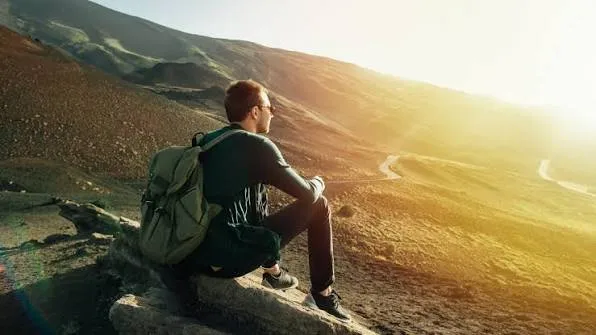
Solo travel is becoming an increasingly popular way to explore the world, experience different cultures and step outside familiar surroundings. Unlike travelling with family or friends, travelling alone gives individuals the freedom to plan their own journeys, make independent decisions and discover destinations at their own pace. More than just a holiday, solo travel can become a journey of self-discovery, helping people understand their strengths, overcome fears and develop a fresh perspective on life.
For many travellers, the biggest attraction of travelling alone is the opportunity to experience independence. From choosing a destination and managing expenses to navigating unfamiliar streets, every decision becomes a personal responsibility. These experiences can gradually build confidence, patience and problem-solving skills.
Freedom to Explore and Make Your Own Decisions
One of the greatest advantages of solo travel is the freedom to design a journey according to personal interests. Travellers do not have to adjust their schedules to accommodate others. They can spend an entire afternoon exploring a museum, enjoy local food, visit historical places or simply relax in a quiet location.
This flexibility also encourages spontaneous experiences. A conversation with a local resident, an unexpected visit to a small village or discovering a hidden café can become a memorable part of the journey. Travelling alone allows people to focus on what genuinely interests them rather than following a fixed group itinerary.
It also teaches individuals to take responsibility for their choices. Planning transportation, booking accommodation, managing money and handling unexpected changes can strengthen decision-making abilities.
Self-Discovery, Confidence and Personal Growth
Solo travel offers an opportunity to step away from everyday responsibilities and familiar social environments. Spending time alone in a new place can help individuals understand their preferences, emotions and priorities more clearly.
Travellers may initially feel nervous about eating alone, asking for directions or navigating an unfamiliar city. However, overcoming these small challenges can gradually increase self-confidence. Each successful experience becomes a reminder that independence is something that can be developed through practice.
Travelling alone can also encourage people to become more adaptable. Delayed trains, language barriers, unexpected weather and changes in travel plans require patience and practical thinking. Learning to handle such situations can improve resilience and prepare individuals to deal with challenges in everyday life.
Cultural Experiences, New Connections and Lasting Memories
Exploring a destination alone often creates more opportunities to interact with local communities. Without the comfort of travelling in a group, individuals may become more open to conversations with residents, fellow travellers, guides and small business owners.
Trying regional dishes, attending cultural events, visiting traditional markets and learning local customs can provide a deeper understanding of a place. These interactions can challenge assumptions, broaden perspectives and encourage respect for different lifestyles.
Solo travel does not necessarily mean being lonely. Many destinations offer group tours, hostels, workshops and cultural activities where travellers can meet like-minded people. Some friendships may last beyond the journey, while other encounters may simply offer valuable insights and memorable experiences.
Safety, Planning and Responsible Travel
Although solo travel offers independence, preparation is essential, particularly for first-time travellers. Researching the destination, understanding local customs, checking weather conditions and booking reliable accommodation can make a journey safer and more comfortable.
Travellers should share their itinerary and accommodation details with a trusted person, keep emergency contacts accessible and maintain digital and physical copies of important documents. It is also advisable to avoid isolated areas at night, remain aware of surroundings and use verified transportation services.
Managing a realistic budget is equally important. Expenses such as accommodation, food, local transport, travel insurance and emergency funds should be considered before departure. Travellers should also respect local traditions, protect the environment and behave responsibly in public spaces.
Conclusion
Solo travel is not simply about visiting new destinations; it is about discovering personal strengths through unfamiliar experiences. It can build independence, improve confidence, encourage cultural understanding and create memories that remain meaningful long after the journey ends. With thoughtful planning and responsible decisions, travelling alone can become a rewarding experience that helps individuals return home with a broader perspective and a stronger sense of self.

